
Ever wondered why some games feel like an unpredictable ride? Game stories mix clever plots with punchy action, making every moment stick long after you play. Imagine watching an intense match where each move ramps up the excitement.
In this post, we break down how every character, twist, and move cranks up the thrill. It shows how solid storytelling keeps you hooked and turns every play session into something unforgettable.
video game storytelling breakdown fuels excitement
Video game storytelling mixes two big ideas: the plot and the gameplay. In the beginning, games like Pong focused mainly on the mechanics because the computers were simple. But as tech grew, stories started to matter, adding extra layers of fun and depth. It’s like watching an exciting live match while also enjoying a movie with a cool plot. Every game move hints at a bigger world, pulling players in both emotionally and strategically.
Every piece of a game’s story plays its own part. The theme sets up the world and its mood, while the conflict throws challenges your way. The pace of the story feels like the ups and downs of a tight game. And building characters is key; strong heroes and villains give you someone to cheer for or against. The dialogue and smooth controls help create moments that feel real instead of just following a script. Ever notice how a tiny detail can change the whole vibe of a game? It’s like learning that even a small fact can open up a whole new level of excitement.
Put together, these story bits are what make video game storytelling so special. They not only make games more fun but also guide developers to mix great stories with cool gameplay. When every element clicks, your actions matter and the game pulls you in deeper. This look into gameplay and narrative shows why a great story is always at the heart of a memorable gaming win.
Historical Evolution in Video Game Storytelling Breakdown

Back in the '70s to early '80s, games like Pong and Space Invaders hooked players with simple, addictive gameplay. They didn't have fancy stories because the tech was basic and the goal was all about smashing high scores. Fun fact: Pong's bouncing ball became a cultural icon, even without any backstory!
In the '80s and early '90s, games started to add a hint of storytelling through text. Titles like Zork introduced players to worlds that unfolded one sentence at a time. You can almost hear the click of keys as players discovered an interactive tale without fancy graphics.
By the '90s, video games began to feel more like mini-movies. Early voice acting and smoother cutscenes made the story more cinematic. Imagine a tense conversation that builds up to a dramatic showdown, these moments made the game feel deeper and more engaging.
Since the 2000s, game storytelling has exploded into a rich, interactive adventure. Modern titles mix advanced motion capture, full voice overs, branching storylines, and vast open worlds. Every choice you make feels like a crucial move in an epic saga, giving you a say in how the story unfolds.
Narrative Structure Breakdown in Video Game Storytelling
Most video game stories rely on a few main frameworks that shape how you experience the plot. Game designers usually pick one of five models, each giving you a different level of control and surprise twists. A linear storyline is simple and keeps you on a set path, while the PEARL Model (which stands for Prologue, Escalation, Audience, Resolution, Legacy) breaks the story into clear acts, adding a movie-like feel. With branching narratives, you get to pick your path, so your choices really shape the outcome. The Amusement Park style gives you fun, unexpected segments of gameplay, kind of like hopping between different rides at a fair. And then there is non-linear storytelling, which invites you to explore freely and watch the plot change around you, much like a self-guided adventure where every decision is a new twist.
| Structure Type | Player Agency Level | Key Feature | Example Title |
|---|---|---|---|
| Linear | Low | Fixed path with a clear story | Call of Duty (Campaign) |
| PEARL Model | Moderate | Clear acts with a cinematic build-up | Uncharted 4 |
| Branching | High | Story changes based on choices | Mass Effect |
| Amusement Park | Variable | Segments of play with fun surprises | Borderlands |
| Non-linear | Very High | Open exploration and evolving plot | The Elder Scrolls V: Skyrim |
Picking the right model directly affects your connection to the game. A linear narrative keeps the pace steady and tells a focused story, while a branching setup gives you the power to shape the plot with your decisions. On the other hand, non-linear storytelling offers the freedom to explore and discover plot twists at your own pace. Each approach, whether it leans toward a cinematic feel or player-driven outcomes, helps keep the gameplay and narrative in sync, ensuring you stay hooked on every moment.
Character Journey Deconstruction in Video Game Storytelling Breakdown
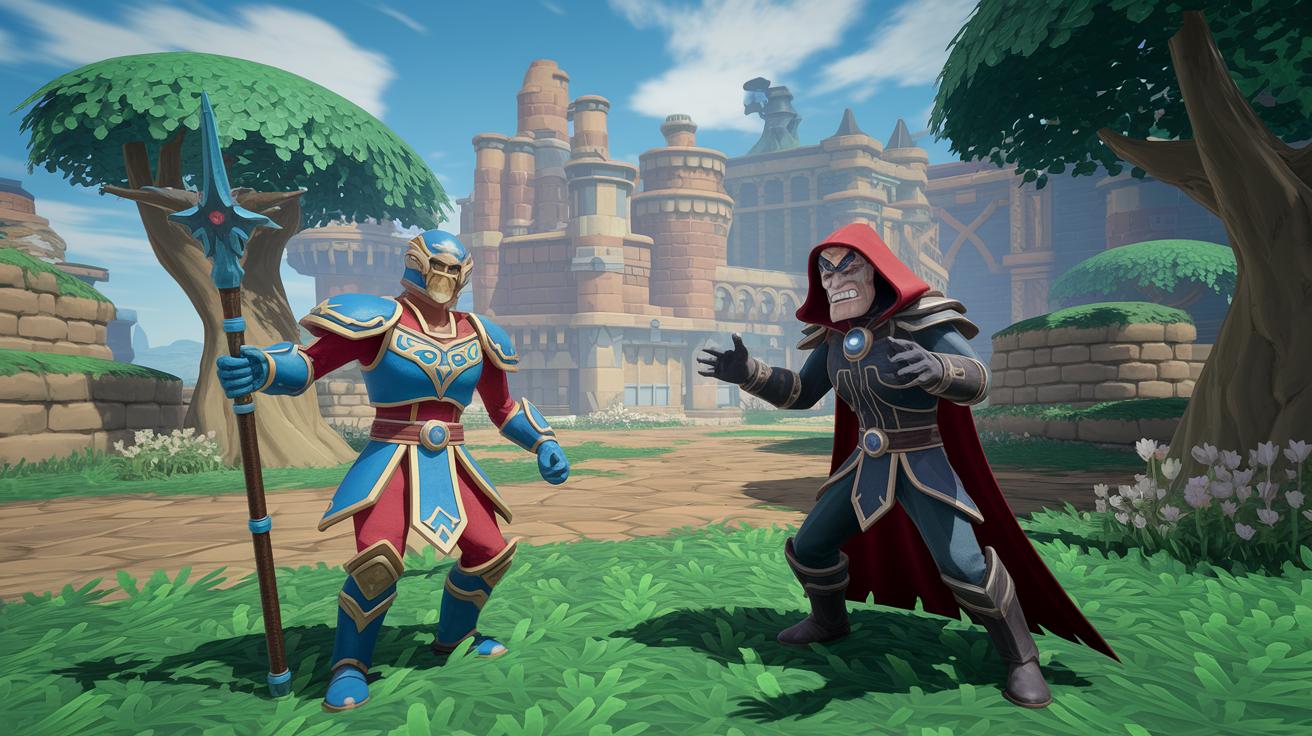
Characters are the heart of every unforgettable game. They bring excitement and real emotion. Picture the lead hero, a tricky villain, and cool sidekicks working together like a tight gaming squad, they each play a key role that draws you into the story and keeps you alert.
The hero’s adventure kicks off with a big shake-up, the moment that flips their world upside down. From there, every challenge becomes a chance to learn and grow, just like tweaking your strategy mid-match. In the end, their journey wraps up with a win that feels well-earned, making you cheer with every step.
Villains, on the other hand, step in to stir up trouble with unexpected twists. At first, their reasons might seem hidden, but as the game goes on, their true ambitions and devious plans come through. They push the hero to level up and spark those critical, tough choices. It’s much like a nail-biting game where every move counts and nothing is as it seems.
The side characters add even more flavor by offering help, humor, or extra challenges. Think of them as key assists in an intense game, boosting the tension and helping shape the hero’s path. Their roles not only build the rich game world but also reflect the main obstacles the hero has to overcome.
Game storytellers use smart tricks to make these journeys hit home. They set clear goals, raise the stakes with each level of tension, and finish the arcs with moves that feel just right. This combo of elements makes every character’s journey feel personal and real, pulling you into the game world as if you’re living every moment yourself.
Integrating Gameplay and Narrative in Video Game Storytelling Breakdown
Blending gameplay and story is key to building a truly immersive game. When the story and game mechanics work together, every move you make feels important, just like when every play counts in a heated game. Imagine a level where the lighting subtly shifts as you progress, hinting at a big twist ahead. It’s a smart way of tying your actions directly to the unfolding narrative.
The world around you isn’t just a pretty backdrop; it tells its own quiet story. Picture exploring a ruined city where scattered relics whisper secrets of a lost civilization, as if you’re reading a silent diary. This method lets the environment do the talking, drawing you in with hints and details you discover along the way.
Timing is everything. Key moments in the game, like solving a puzzle that triggers a surge of dramatic music or a sudden ambush, keep your adrenaline high. Each gameplay moment is set up to deliver a peak in the story, making the experience feel intentional and exciting.
Interactive dialogue and choice systems put you in the driver’s seat. When a character asks, "What do you want to do next?" your answer doesn’t just affect the conversation, it steers the entire story down a new path. This gives you real control, making every conversation a chance to shape the adventure.
The magic lies in designing the game around you. A player-first approach, consistent tone, and careful feedback loops ensure that every twist and turn feels earned. When action and narrative sync up, each decision becomes a part of your personal epic story.
Final Words
in the action, we broke down video game storytelling into its vital parts. We explored the interplay between narrative and gameplay, detailed how storytelling evolved from simple mechanics to layered plots, and unpacked the structures that shape both player choice and emotional engagement.
We also looked at character arcs and strategies for fusing game mechanics with narrative. This video game storytelling breakdown leaves you with fresh insights to boost both performance and creative discussion. Keep pushing forward and enjoy every win.
FAQ
What does video game storytelling breakdown Reddit detail?
The video game storytelling breakdown on Reddit details community opinions and analysis on narrative techniques, highlighting how game stories are structured and critiqued by fellow gamers.
What information can be found in a video game storytelling PDF?
A video game storytelling PDF includes detailed explanations of narrative structures, guidelines, and examples, offering clear insights to help developers build immersive game narratives.
What do video game storytelling breakdown examples include?
Video game storytelling breakdown examples include analyses of elements like conflict, character development, and pacing, showing how narrative choices impact overall gameplay engagement.
How do storytelling games for adults differ from other games?
Storytelling games for adults feature mature themes and complex narratives, using deep character arcs and layered plots that provide a more sophisticated gaming experience.
What are game narrative examples?
Game narrative examples showcase how stories are integrated into gameplay, using methods like environmental storytelling, branching dialogues, and dynamic pacing to enhance player immersion.
How did the history of video game storytelling evolve?
The history of video game storytelling evolved from simple, mechanics-focused arcade games to modern titles with cinematic cutscenes, branching choices, and rich character development.
What is a video game story template?
A video game story template provides a structured framework outlining theme, conflict, character arcs, and pacing, serving as a guide for developers to craft cohesive and engaging narratives.
What role does a narrative designer play in game development?
A narrative designer crafts and integrates story elements with gameplay mechanics, ensuring that dialogue, character development, and plot align to create a seamless and engaging experience.
What are the five P’s of storytelling?
The five P’s of storytelling refer to plot, purpose, protagonist, premise, and payoff, serving as a concise framework for constructing compelling and well-rounded narratives.
How is storytelling used in video games?
Storytelling in video games ties narrative to gameplay, using immersive plots, interactive dialogue, and well-developed characters to boost player engagement and drive the overall experience.
What narrative techniques are common in video games?
Common narrative techniques in video games include environmental storytelling, branching dialogues, and pacing strategies, all of which are used to create interactive and engaging plotlines.
What are the different types of game storytelling?
The different types of game storytelling include linear, branching, non-linear, and emergent narratives, each offering varying levels of player control and diverse ways for stories to unfold.