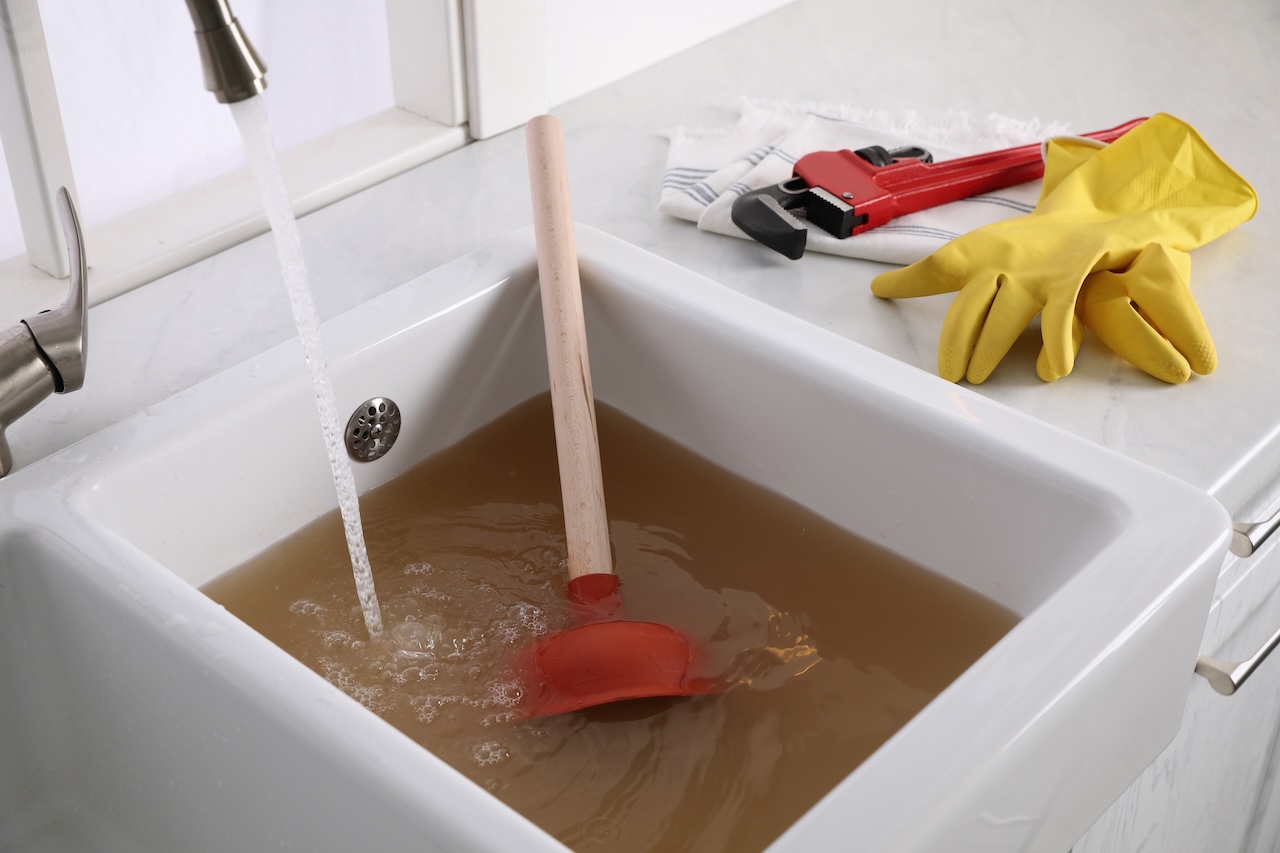
A clogged kitchen sink is more than just a minor inconvenience – it can disrupt your daily routine and potentially lead to costly repairs if not addressed. Understanding why your kitchen sink clogs and taking steps to prevent it can save you time, money, and frustration. Let’s take a closer look at the common causes, the signs to watch for, and the proactive measures you can implement to keep your sink flowing smoothly.
Common Causes of Kitchen Sink Clogs
1. Grease and Oil Buildup
One of the most frequent culprits of a clogged kitchen sink is grease and oil. When you pour cooking fats down the drain, they solidify as they cool, sticking to the walls of your pipes. Over time, this sticky residue traps debris and creates a stubborn blockage.
2. Food Waste Accumulation
Even with a garbage disposal, food waste can contribute to clogs, especially items like coffee grounds, rice, pasta, and fibrous vegetables. These foods either expand in water or are difficult to break down, leading to obstructions in your pipes.
3. Soap Scum
Soap is essential for washing dishes, but the fat content in soap can combine with water minerals to form soap scum. This sticky substance adheres to the inside of your pipes, reducing water flow and increasing the risk of clogs.
4. Foreign Objects
Whether it’s small utensils, pieces of glass, or other non-food items accidentally dropped into the sink, foreign objects are a less common but serious reason for drain blockages.
5. Pipe Design and Aging
If your sink clogs frequently despite your best efforts, the issue could lie in the design or condition of your plumbing system. Older or poorly installed plumbing may have sharp bends or narrow pipes that make blockages more likely.
Warning Signs of a Clogged Sink
Recognizing the early warning signs of a clog can help you take action before the issue worsens. Here’s what to look out for:
- Slow drainage: Water pooling in your sink or taking longer than usual to drain fully is an early indicator of a clog.
- Unpleasant odors: Foul smells coming from the drain often signal trapped food or grease buildup.
- Gurgling sounds: Bubbling or gurgling noises when water drains down your sink suggest an obstruction in the pipes.
- Recurring blockages: If plunging or cleaning the drain provides only temporary relief, it’s a sign of a deeper issue.
How to Prevent Your Kitchen Sink from Clogging
Instead of dealing with the headache of frequent clogs, adopt these preventive habits to maintain a clear and functional kitchen sink:
1. Dispose of Grease Properly
Never pour cooking grease or oil down the drain. Instead, let it cool, solidify, and discard it in a sealed container. Alternatively, consider recycling used cooking oil if your area offers such services.
2. Use a Drain Strainer
A simple yet effective solution, a mesh or perforated drain strainer catches food particles and other debris before they can enter your pipes.
3. Run Hot Water Regularly
After washing dishes, run hot water for a few moments. The heat helps break down grease and soap residue, preventing them from sticking to the pipes.
4. Be Mindful of What Goes Down the Disposal
Use your garbage disposal responsibly. Avoid grinding fibrous materials (e.g., celery, corn husks) and starchy foods like potatoes. Scrape plates into the trash before rinsing them in the sink.
5. Clean the Drain Periodically
Use a mixture of baking soda and vinegar to clean your drain once a month. Pour the baking soda down the drain, followed by vinegar, and let the chemical reaction loosen debris. Flush with hot water.
6. Schedule Regular Plumbing Maintenance
Annual plumbing inspections can identify potential issues before they escalate. A professional plumber can also advise on the best practices for maintaining your specific plumbing system.
What to Do If Your Sink Is Already Clogged
If prevention didn’t work and you’re dealing with a clogged sink, try these steps before calling in a plumber:
- Plunge the Sink: Use a sink plunger to create suction and dislodge the blockage. Remember to block off any additional sink drains with a wet cloth to maximize the plunger’s effectiveness.
- Try a DIY Drain Cleaner: Combine baking soda and vinegar, as mentioned earlier, or purchase an eco-friendly enzymatic drain cleaner.
- Snake the Drain: A plumber’s snake or drain auger can physically remove the clog if it’s accessible. Follow the instructions to avoid damaging your pipes.
- Hire a Professional: If all else fails, it’s time to bring in an experienced plumber. They’ll have the tools and expertise to diagnose and fix the issue efficiently.
The Bottom Line
A clogged kitchen sink isn’t inevitable. By understanding the common causes and adopting preventive measures, you can keep your sink running smoothly and avoid the stress of unexpected plumbing problems. Make it a habit to care for your drain system, and it will serve you well for years to come. For persistent or complex issues, don’t hesitate to seek the guidance of a plumbing professional – it’s a worthwhile investment in the functionality of your home.