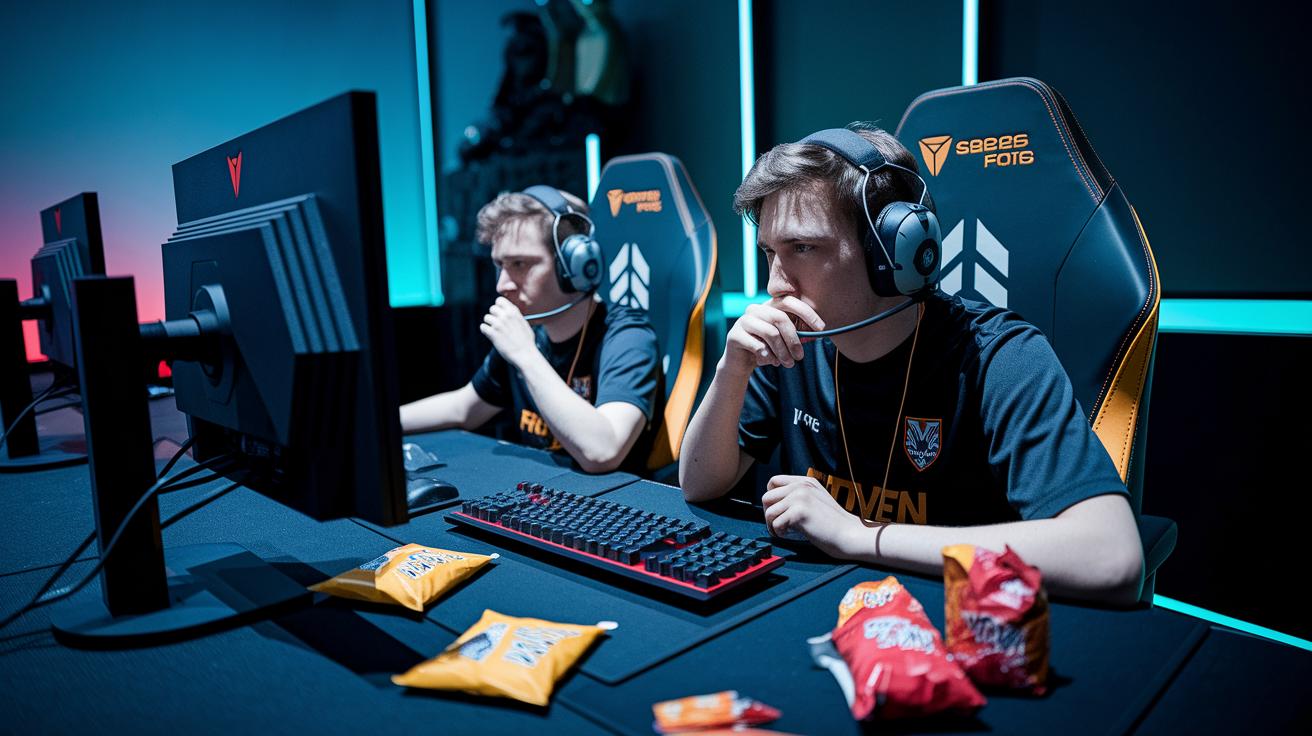
Have you ever wondered why the best teams always come out ahead? It might surprise you to learn that winning in esports isn’t just about fast reflexes. It’s really about having clear roles, talking things out smartly, and putting in solid practice.
In team matches, every move matters. Even small tweaks can flip how a game goes.
This article breaks down eight smart tricks that can help your crew play better together. Stick around and see how a few key ideas can give your team the edge when it counts.
Core Tactics to Win in Team-Based Esports Competitions
When you're in the heat of a team esports match, having a clear game plan is a game changer. Here are five easy strategies to help your team shine:
- Before each match, decide on roles so everyone knows what to do. This way, there’s no scrambling around during a tight moment.
- Use a set callout system to keep team chatter short and sharp. Quick, clear calls can make all the difference.
- Set aside time every week for drills focused on aim, rotations, and timing with your abilities. Practice makes perfect.
- Try using live overlays that show stats like win rate and reaction time. These can help you spot what needs tweaking on the fly.
- Finally, make sure your gear is on point by investing in fast monitors and responsive audio, every little advantage counts.
Keep an eye out as we dive deeper into these tactics in the next sections.
Mastering Team Roles and Responsibilities in Esports Competitions
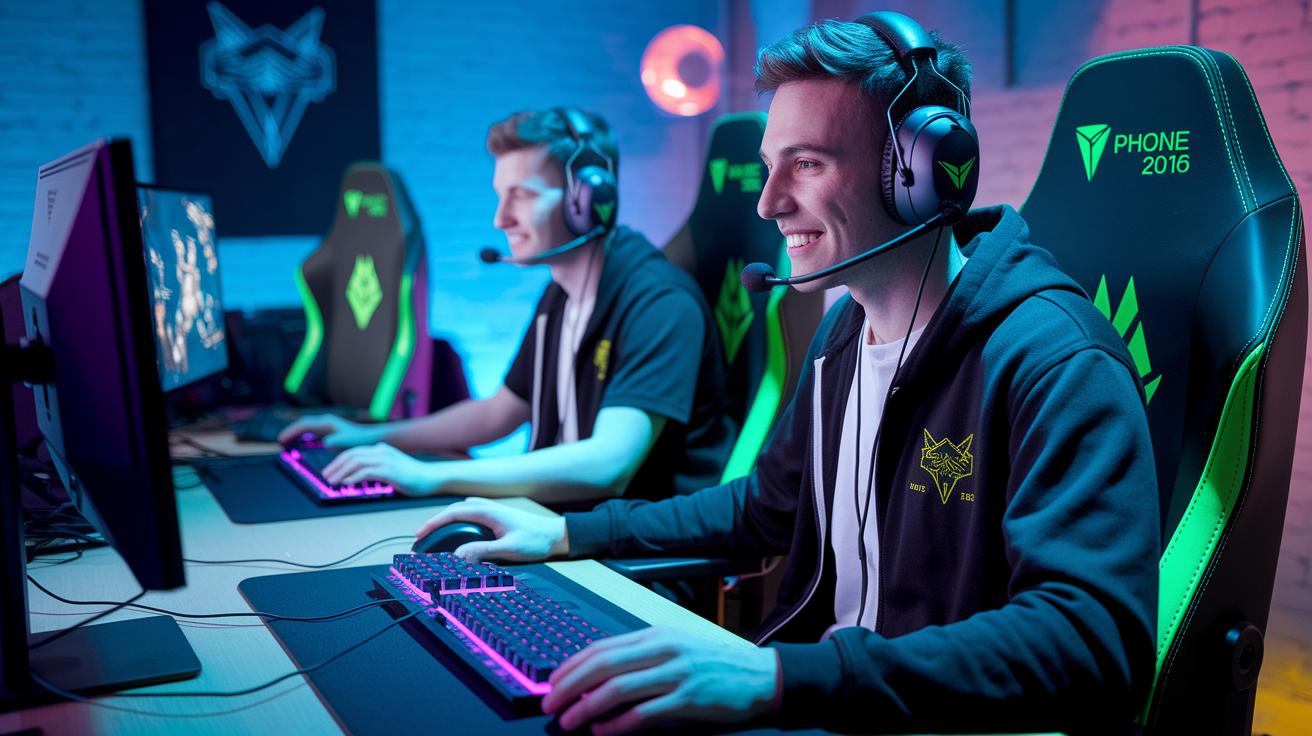
A top gaming team runs best when everyone knows their role and takes responsibility. When each gamer is clear about their duty, trust builds and the team flows like a well-tuned setup, even during the most intense rounds. It's like everyone having a game plan that clicks perfectly. Think about it: just like a spaceship crew, every move you make counts.
- Entry Fragger: charges ahead to clear angles and lead the attack.
- Support: brings in the useful tools and covers teammates.
- In-Game Leader (IGL): calls the shots and adjusts the strategy on the fly.
- Flex Player: shifts roles to outsmart the opposition.
When every role is clear, decisions come quicker and teamwork feels smoother. Having set responsibilities not only cuts down on mix-ups but also builds confidence. You know that rush when you nail a move and your teammates have your back? That energy boosts everyone. This focus on specialized roles strengthens the team bond, letting players react fast, chat effectively, and pull off game-changing plays when it matters most.
Communication Practices and Real-Time Coordination Techniques in Team-Based Esports
When you’re in the middle of an intense match, clear talking can really boost your team’s game. Quick voice chats, text pings, or even simple visual signals cut down response time and help everyone stay on track. Picture someone saying, "Enemy mid coming!" and instantly your team is ready to act, every shout counts.
Here are some easy tips to keep communication smooth:
- Use the same map names so everyone knows exactly where to look. If someone yells "B Long!", every teammate immediately knows where to focus.
- Mark enemy positions with pings or text markers. A quick marker gives the team a heads-up about possible threats.
- Pick one person to manage voice chat. This keeps things clear and stops the channel from getting overwhelmed during crazy moments.
- Sync your moves with the match clock. Timed flashes and smokes at the right moment can really shift the game’s momentum.
- Do silent drills to practice non-verbal signals. These exercises build a shared, unspoken understanding among team members.
- Use live data like stats and timers for extra awareness. Seeing real-time info helps everyone adjust their game plan on the fly.
Quick feedback and a clear chain of command are the backbone of great team play. By combining vocal calls with non-verbal signals, you cut down confusion and tighten up your strategies. And as you try out these techniques, tweak them until they feel just right for your crew, always learning and getting better together.
Adapting Strategies and Meta Knowledge Mastery for Team-Based Esports Competitions
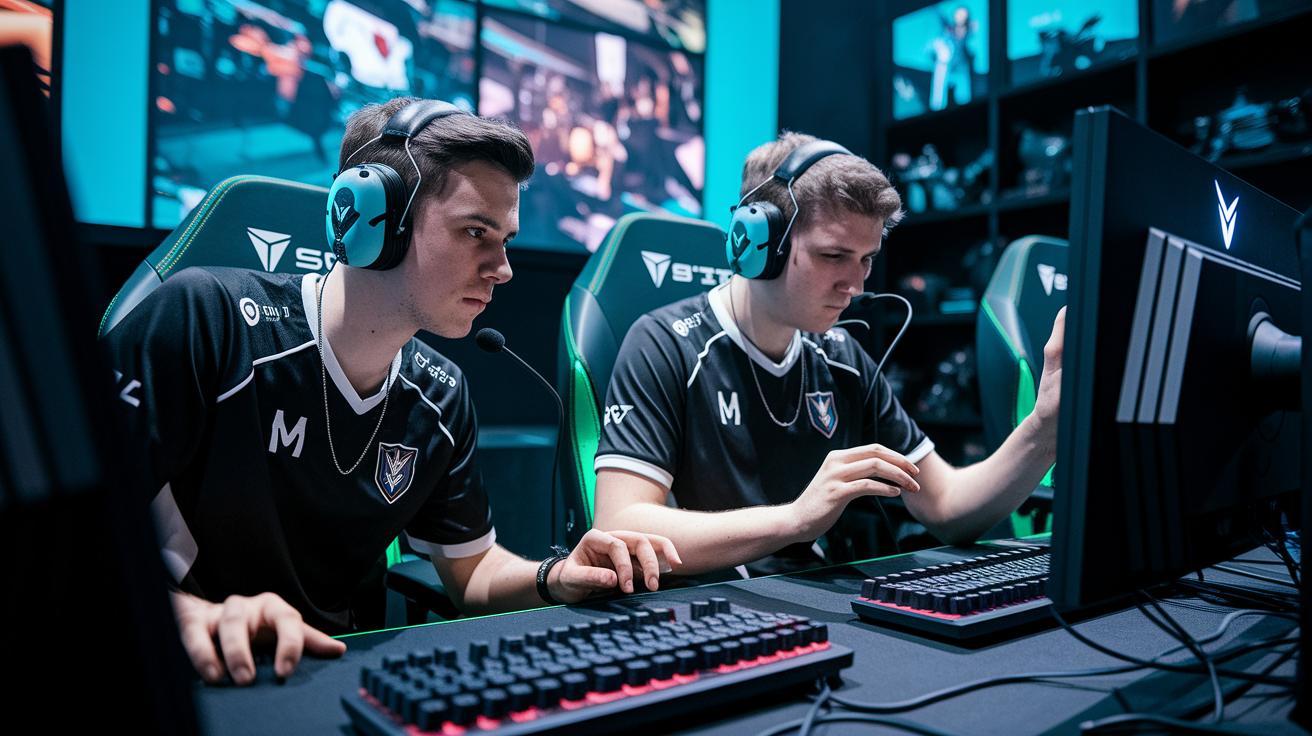
Teams stay sharp by watching every game update. They keep an eye on balance changes, hero tweaks, and map shifts, just like waiting for that crucial clutch moment. Imagine your favorite character getting a boost out of nowhere, suddenly your old plan might need a quick change.
Going over past matches helps teams figure out what their foes might do next. By checking out each opponent’s habits, teams can spot patterns and get ready for what’s coming. It’s like having a sneak peek at your enemy’s playbook before the match even starts.
For every map or game mode, they plan both a main strategy and a backup. This means they can switch tactics quickly if things aren’t going as planned. For instance, if an attack stalls mid-round, a practiced backup plan lets the team shift and keep control.
After every game, teams dive into replay reviews. They break down each round, note what worked and what didn’t, and tweak their strategies for the next match. This cycle of learning turns every loss into a lesson and makes each game a chance to get even better.
Structured Practice Regimens and Performance Analytics for Team-Based Esports Success
Keeping a steady weekly practice schedule really boosts your team's performance. Mixing in focused drills with regular data checks keeps everyone sharp and always learning new tricks. It helps to set aside days for aim drills, map walk-throughs, team scrims, data reviews, and scenario drills so each player knows their role and hones their skills.
| Day | Practice Focus | Duration |
|---|---|---|
| Day 1 | Aim Drills | 2h |
| Day 2 | Map Strategy | 2h |
| Day 3 | Team Scrims | 3h |
| Day 4 | Analytics Review | 1.5h |
| Day 5 | Scenario Drills | 2h |
Using in-game replays and third-party stats tools, teams can track key numbers like first-contact win rate, utility efficiency, and average reaction times. Playing scrims against a mix of playstyles builds flexibility, and going over analytics together really shows where to improve. After each practice, quick chats let everyone give feedback, adjust their approach, and set goals for the next session. This smart, data-based strategy turns every practice hour into focused, valuable training that pushes the team closer to competitive success.
Opponent Analysis and Counter-Strategies in Team-Based Esports Competitions
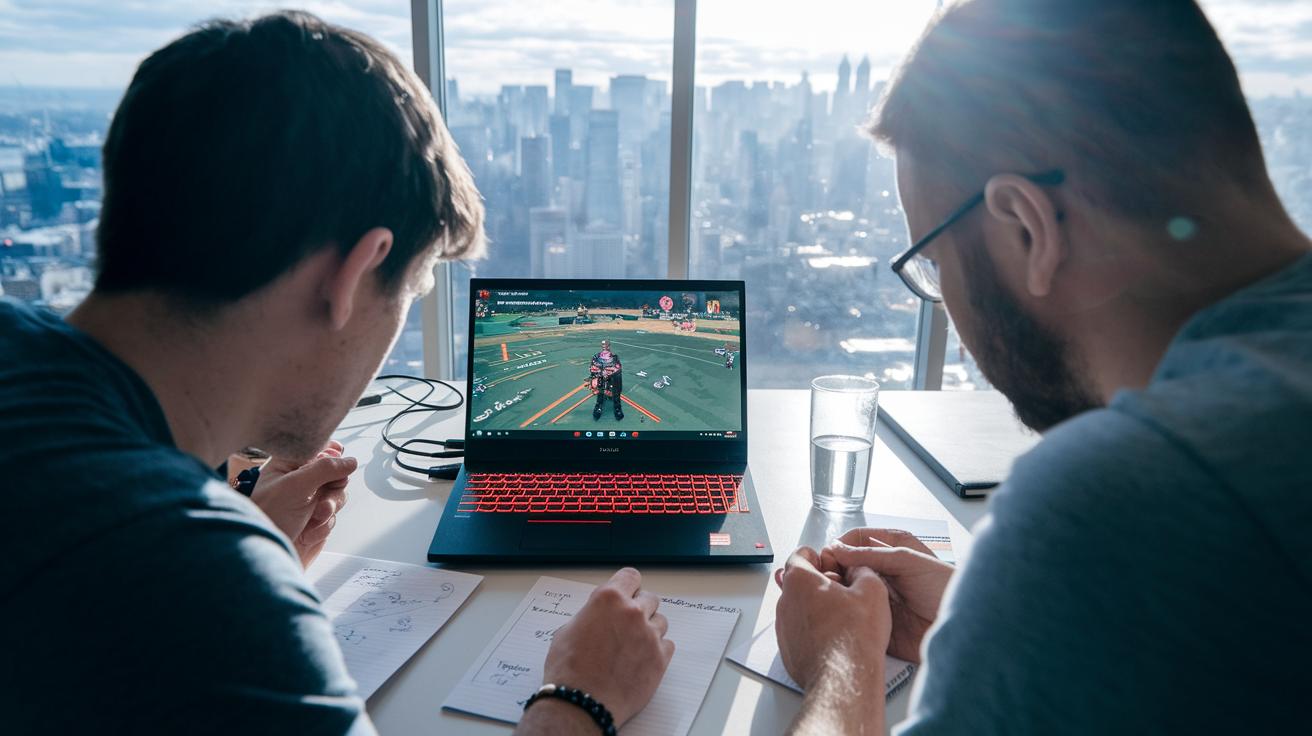
Taking a look at past matches using analysis tools is a great way to set your team up for success. You can record games or use in-game replays to spot common tactics and timing patterns. This info lets you find weaknesses in your opponents so you can design plays that disrupt their strategies. For example, if you see they often rush a key choke point, you have a chance to plan a counter move.
Once you have the insights, your team can build counter-strategies that fit the matchup perfectly. This might mean tweaking your rotations, adjusting hero picks, or changing the game pace to offset their strengths. By studying key players and their roles, your crew can create plays that set traps, like switching positions to confuse the enemy.
During the match, surprises can hit and throw your team into a tough spot. That's why it's essential to have backup plans ready for sudden changes. Practicing quick adjustments and using clear call-outs helps your team stay calm, adapt on the fly, and take control when every second counts.
Final Words
In the action, this guide broke down sharp tactics that truly shape gameplay. We explored the value of defined roles, quick in-match comms, agile meta adjustments, and focused practice routines for peak performance. By analyzing opponents and crafting flexible strategies, the content offered practical insights for elevating any team’s play. Keep experimenting with these winning tactics for team-based esports competitions, and enjoy the excitement as you level up your game.
FAQ
What is the most winning esport team?
The most winning esports team is often credited to Team Liquid due to their consistent tourney successes and high-level play across different titles.
How to get picked up by an esports team?
Getting picked up by an esports team means showcasing top gameplay, actively connecting with gaming communities, and performing well in tournaments to catch scouts’ attention.
Is 27 too old for esports?
Being 27 is not too old for esports; many players use their experience and maturity to excel and contribute unique game insights effectively.
How to succeed in esports?
Succeeding in esports means mastering game mechanics, refining teamwork skills, and committing to regular practice while staying updated on meta and strategies.