
Have you ever thought climbing could be as exciting as gaming? Picture a meter that tells you which moves are tough and just how risky a route might be. That's what the climb rating does. It breaks a climb into pieces so you know exactly what challenge is coming. Picking your route feels as simple as choosing your favorite game mode. So, are you ready to see how this guide can boost your climbing adventure?
Climb Rating Fundamentals: Core Principles and Terrain Classes
Climb ratings work like your in-game difficulty meter. They show you both the trickiest moves you need to master and how risky a climb really is. In simple terms, there are two key parts: technical difficulty, which covers the hard moves you face, and commitment, which looks at the route’s length and overall danger. It’s a lot like planning your match, you check out the toughest parts and how long you’ll be playing.
Every climb mixes together a bunch of tricky moments and stamina challenges. You pick your route like you choose a game mode, by figuring out if the moves and the overall risk fit your style and skills. This balanced view helps everyone find a climb that’s just right for them.
- Class I: Easy walking with very few obstacles.
- Class II: Steeper paths where you might occasionally grab a hold with your hands.
- Class III: Scrambling that makes you use both hands and feet, with a bit more exposure.
- Class IV: Rough climbs that usually call for a rope.
- Class V: Vertical, challenging climbs where using safety gear is a must.
- Class VI: High-level aid climbs needing special equipment.
Usually, the first climber to tackle a route sets the grade based on their own experience. Then, as others try it, they might tweak the grade a bit to better match everyone’s experience. This community agreement makes sure the rating really shows the hard moves and overall risk, helping you choose a route that’s perfect for your skill and ambition.
Yosemite Decimal System Climb Rating: US Sport Route Grades
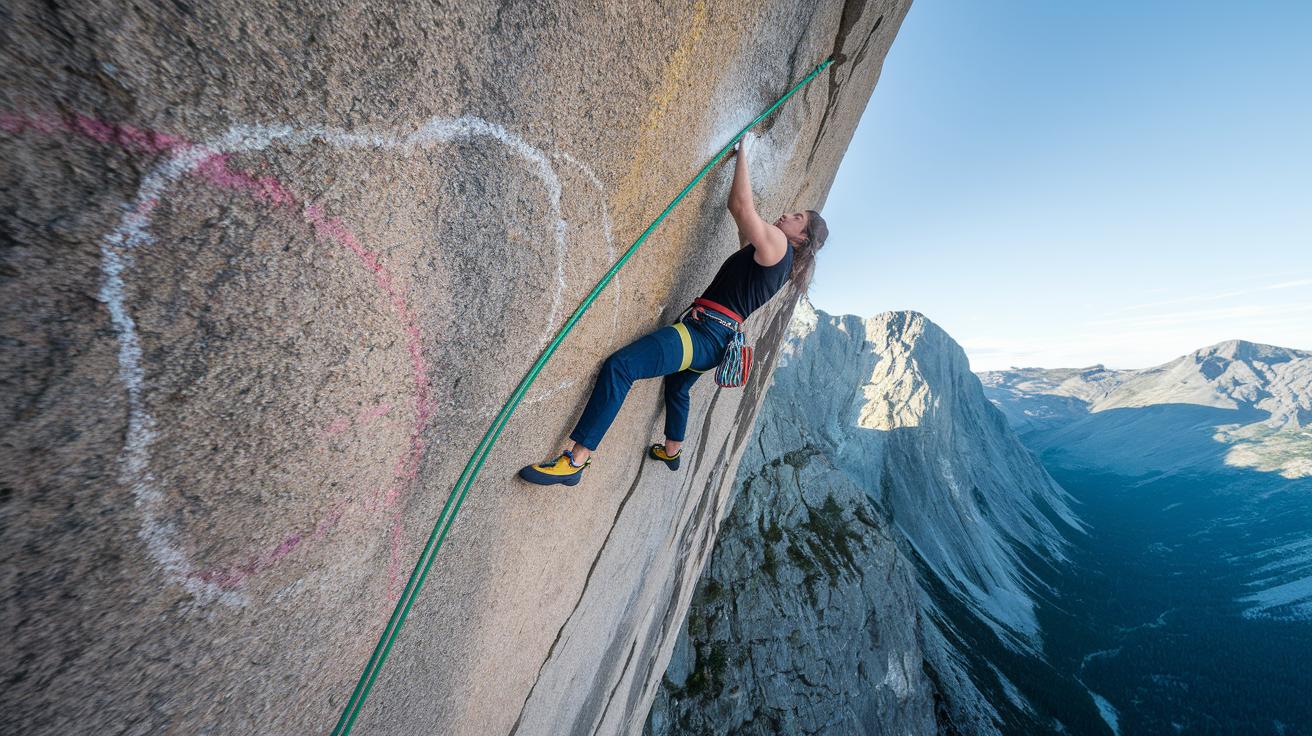
When you hit Class 5 climbs, you're in for a real test. The rock face is steep and every move counts. It’s a bit like those nerve-wracking levels in your favorite game where you have to nail each jump perfectly. You rely on skill and precision because there aren't many natural holds to grab onto.
The Yosemite Decimal System runs from 5.0 up to 5.15. As the numbers climb, so does the challenge. Starting with 5.10, climbers get more specific with letters from a to d. For example, a climb marked 5.11c is just a tiny step trickier than a 5.11b, kind of like tweaking the settings in your game until it feels just right.
Take a route with a 5.12a rating, for example. This one is no joke, it pushes you with advanced moves that need both muscle and endurance, testing every bit of your technique. It’s like gearing up for a high-stakes match where every input matters and your skills are truly put to the test.
French Climb Rating Scale: European Grading and Symbols
The French Climb Rating Scale covers grades from 1 and goes beyond 9, making it a neat way to judge how challenging a climb is. Many sport climbs start at about a 4a rating, which gives you a clear idea of what you’re getting into. You’ll often see these grades on rock wall charts in guidebooks all over Europe.
Modifiers like plus and minus signs help fine-tune the ratings. For instance, a 6a+ tells you the climb packs a little extra challenge compared to a plain 6a, while a 7b- means it’s a bit easier within that level. The scale skips extra letter divisions so everything stays simple and easy to understand.
You’ll mostly find grades like 6a+ and 7b on classic sport routes. Climbers worldwide appreciate the French system because it’s straightforward and works in many settings. Whether you’re scaling local crags in Europe or famous international routes, this method reliably shows the climb’s key details. Its clarity and ease of use have made it a trusted standard for climbing fans everywhere.
Bouldering Climb Rating: V-Scale Fundamentals and Notation
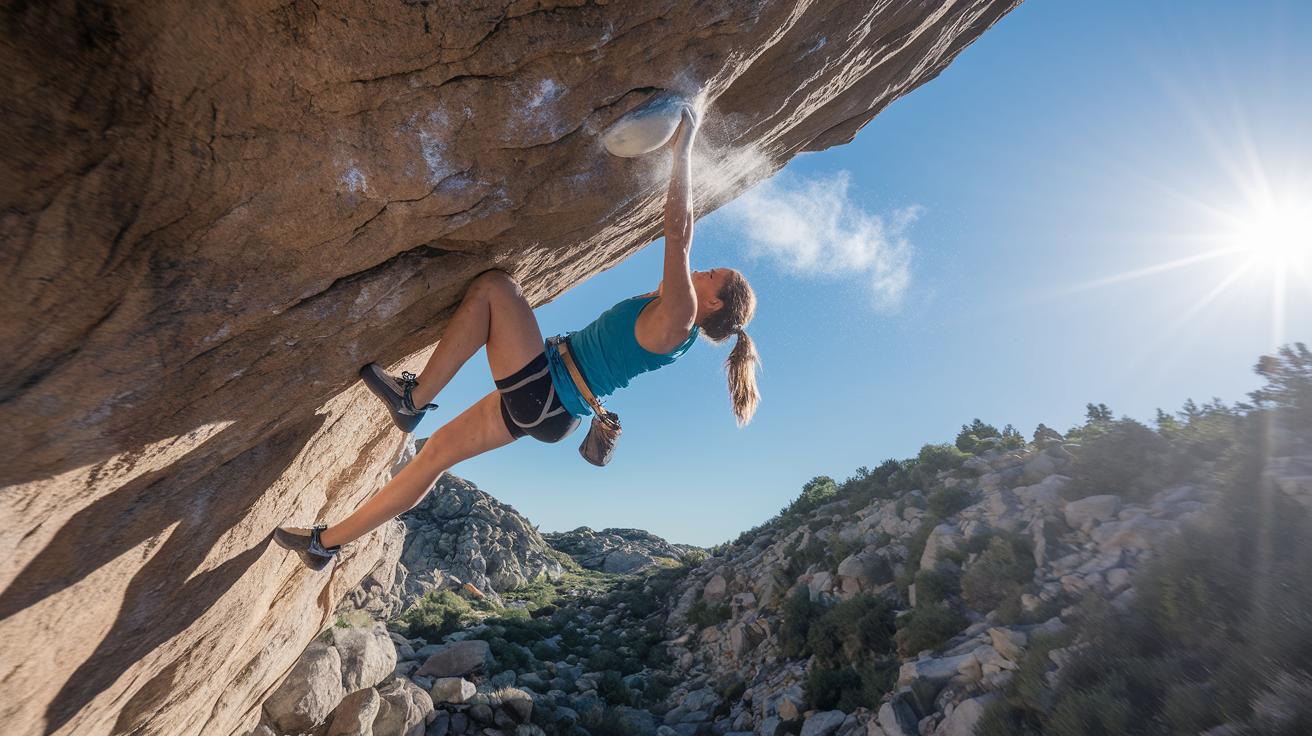
The V-scale, also known as the Vermin Scale, was built by climber John "Vermin" Sherman to help you size up boulder challenges quickly. It’s kind of like watching an instant replay that highlights each tricky move in your climb.
This system covers everything from V0, which means it's a breeze, all the way to V17 for those mind-blowingly tough climbs. Sometimes you’ll see a plus or minus added to the number, so V5+ tells you it’s a step up from a plain V5. It’s a handy way to compare climbs and plan your next adventure.
Even though some folks are trying new ways to grade indoor climbs by focusing on technique, the V-scale stays the top choice for outdoor challenges. It remains a trusted guide for any climber keen to know exactly what kind of test they’re signing up for.
Climb Rating Conversion Chart: YDS, French & V-Scale Correlation
Planning your climb just got simpler with this handy conversion chart. It shows how the YDS, French, and V-scale ratings line up and gives you a quick peek at what to expect on a route. This makes it super easy to tell if a climb matches your skills.
| YDS Grade | French Grade | V-Scale Grade |
|---|---|---|
| 5.10a | 6a | V3 |
| 5.11c | 6c+ | V5 |
| 5.12a | 7a+ | V6 |
| 5.13a | 7c | V8 |
| 5.14a | 8b+ | V10 |
Keep in mind these matches are based on general agreement. They might vary a bit with local styles or personal approaches. Still, this chart is a great quick tool to find the right route for your next adventure.
Climb Rating: Your Shortcut to Route Finesse
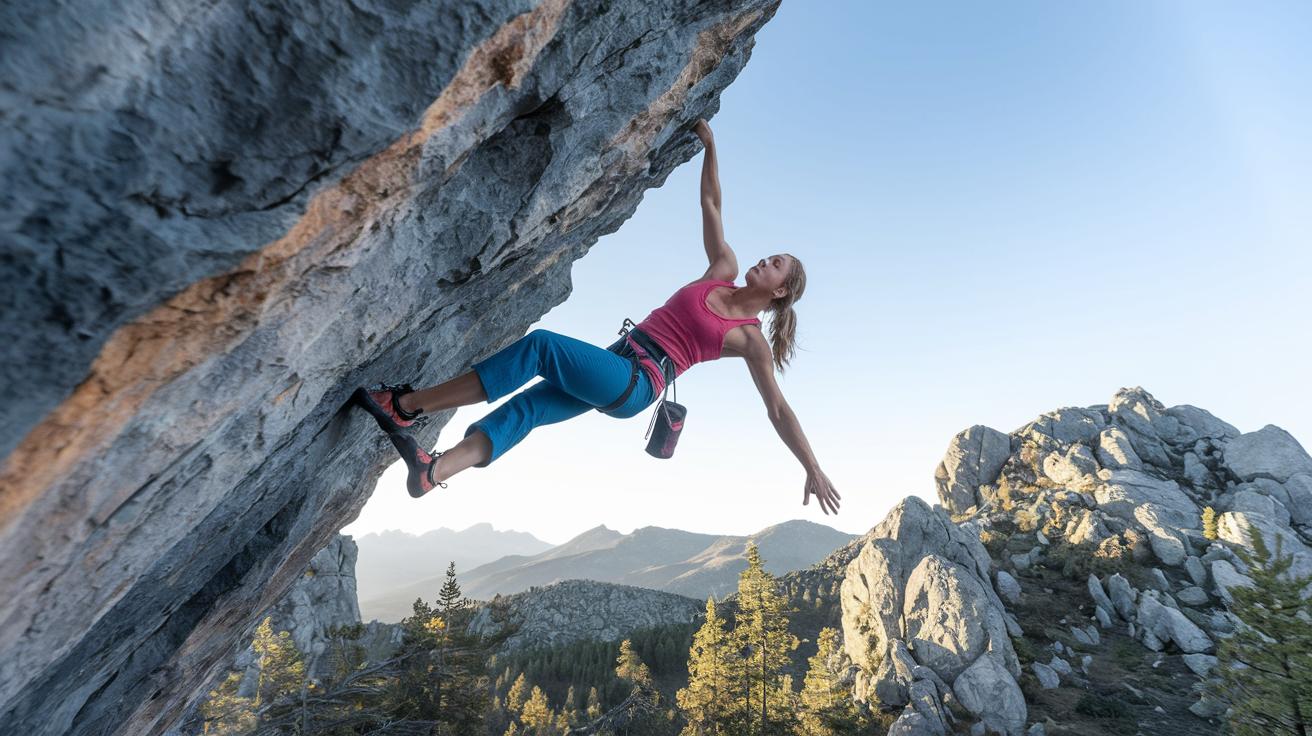
When you pick a route, it’s like choosing your next game level. You have to balance tricky moves with the steady effort to get through. A hard move tests your strength and precision, while the longer sections challenge your endurance and quick decision-making. If you’re a power mover, a short burst of intensity might be your thing, but if you love a long challenge, look for routes that build up your stamina.
Don’t forget to check in with your climbing community. The first climber to try a route sets the initial mark, but it’s the shared tips and tricks from fellow climbers that turn a rough rating into a reliable guide. Their notes can be a lifesaver, like having a seasoned teammate drop game-changing advice right when you need it.
Other factors matter too. Rock texture, steep angles, high altitude, and the weather mix things up in ways that can make a route feel different every time. Indoor climbs are great for practice, but they might not capture all the challenges nature throws at you. Keeping these details in mind can help you match the route to your skills and be ready for what lies ahead.
Final Words
In the action, we broke down how climb ratings work by explaining the dual elements of difficulty and commitment. We walked through core principles, comparing U.S., European, and bouldering systems and even showed a conversion chart for a handy side-by-side look.
This guide helps you navigate the nuances of climb rating, making it easier to match routes to your skill level. Keep pushing your limits and enjoy every climb. Enjoy the challenge ahead!
FAQ
How are rock climbs rated on Reddit and beyond?
The rock climb rating shows both technical moves and overall risk, with Reddit communities discussing systems like YDS, French grades, and V-scale while weighing gear needs and route commitment.
What does a “V” level in rock climbing indicate?
The “V” level is used in bouldering to rate short, power-intensive climbs, where higher numbers mean tougher moves that require greater strength and precision.
How does a 5.11 climbing grade convert to the V-scale?
The 5.11 grade roughly matches mid-range V-scale bouldering problems, often around V3 or V4, though conversion can vary slightly based on climbing style and specific route features.
What do bouldering grades represent?
Bouldering grades measure the difficulty of short, intense problems using the V-scale, where higher numbers highlight moves that demand more technique, strength, and precise execution.
What do climbing classes 1–5 indicate?
Climbing classes range from simple walking (Class 1) to technical climbs needing gear (Class 5), helping climbers decide on routes based on the balance of ease, risk, and required skills.
How do bouldering grades compare to traditional climbing ratings?
Bouldering grades focus on brief, high-intensity challenges on the V-scale, while traditional ratings like YDS assess overall route length, exposure, and risk, with conversion charts offering approximate comparisons.
What does a 5.7 climb mean?
A 5.7 climb, on the YDS, indicates moderate technical difficulty that calls for basic climbing skills and proper equipment while remaining accessible to climbers with some experience.
Is there a 10a climb rating used in any systems?
The 10a grade is found in some European systems, marking a high level of technical difficulty for sport climbs and challenging seasoned climbers with its precise, demanding moves.
Has anyone climbed a 9b+ route?
Elite, highly skilled climbers have completed 9b+ routes, which are among the most challenging climbs globally, reflecting top-tier technical difficulty and exceptional physical prowess.
What does a PG13 climb rating indicate?
The PG13 climb rating warns of moderate risks and some potential hazards, similar to film ratings, encouraging climbers to proceed with care while still being accessible for those with proper caution.