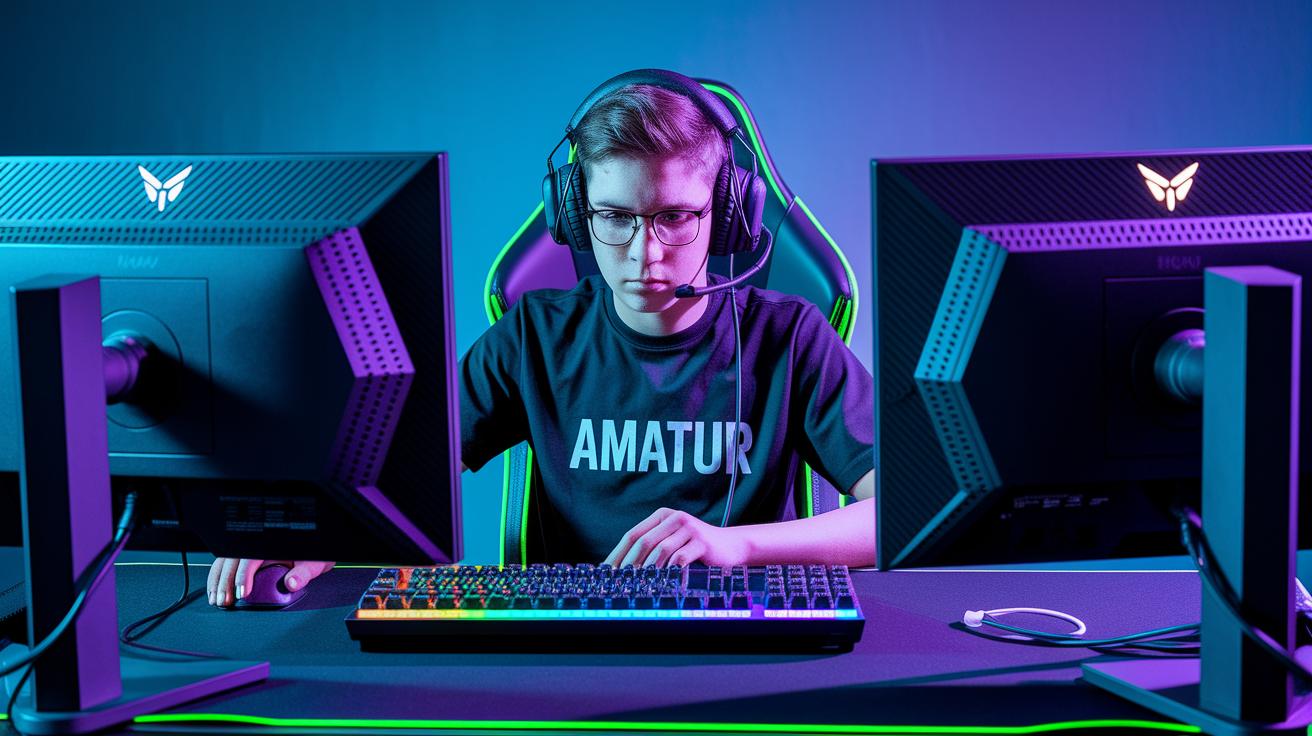
Ever thought about turning your gaming hobby into a real career? It’s not just about fast reflexes or spending lots of time at the keyboard. It’s also about mapping out your journey, practicing every day, and connecting with fellow gamers who can help you shine.
In this guide, I’ll show you the steps to go from casual player to pro competitor. We’ll break it down into clear steps that focus on planning, discipline, and nailing the right skills. Ready to up your game and make your mark?
Career Blueprint for Professional Gamer: Step-by-Step Path
A strong gaming career starts with a solid plan. If you want to move from casual play to big tournaments, you need to work hard on your skills, get involved with gaming groups, and show up at competitions. Most official leagues only let players compete when they’re around 17 or 18, so it’s smart to start planning early. Playing in events can win you prize money and even a steady paycheck from an esports team.
Ready to level up? Big events, like the 2021 DOTA 2 championship that had a $40 million prize pool, make it clear that the stakes are high. It takes more than just passion to break into the pros, it also takes discipline, regular practice, and building connections both online and in person. You might have to invest in good gear and pay entry fees, but every bit of effort strengthens your place in the competitive world.
- Pick one game or genre to focus on
- Set up a regular daily practice routine
- Connect with both online and local gaming communities
- Upgrade to reliable gaming gear and a fast internet connection
- Head to local tournaments and LAN events
- Create an online profile and post your best game clips
- Try out for amateur teams or join qualifiers
- Compete in regional or online tournaments to boost your ranking
Every step you take adds to your chances of becoming a pro. Follow your plan, practice each day, and keep interacting with your gaming community. From choosing your game to stepping into tournaments, every move helps you grow. It might take time and effort, but with persistence, you can overcome challenges and make your mark in the world of competitive gaming.
Developing Professional Esports Skills

When it comes to pro esports, training is really all about three things: strategic study, working on your skills with drills, and keeping up with game updates. Every player builds a routine that mixes solid research with focused practice and constant learning. Start off by reviewing the core game rules and any changes the developers drop to keep the game fresh.
If you’re dreaming of going pro, strategic study is a must. Watch replays and live streams to catch how top players pull off their moves. Ever sit down to check a winning play and wonder what made it work? Those reviews help you figure out quick decisions that flipped the game in their favor. This kind of study sharpens your decision-making and gives you tips on outsmarting your rivals.
On the skill side, drills are all about nailing precise aiming and boosting your reaction time. Try using aim training software to fine-tune your accuracy and speed. And don’t forget to keep an eye on changes in the game’s balance, when the meta shifts, you’ve got to adapt your strategy and gear up. These drills build muscle memory and get you ready for that split-second play when it really counts.
Building Tournament Experience for Professional Gamers
Tournament tiers are like stepping stones on your journey to pro status. Starting small lets you pick up key experience, build your reputation, and earn a spot in bigger events down the line. Playing at different levels means you can face various challenges and sharpen your strategies without getting overwhelmed.
- Local LAN and grassroots events
- Online open qualifiers
- Amateur leagues and ladders
- Regional championships
- Major international tournaments
Balancing practice with competition is super important. It’s like fine-tuning your skills between real match scenarios. Regular practice helps hone your techniques and improve your reflexes, while stepping into tournaments throws different challenges your way and speeds up your learning.
Tournaments give you the thrill of high-stakes moments and let you test new strategies in real time. This mix of steady training and live event play not only boosts your game IQ but also builds the resilience you need when the pressure is on. In the end, getting involved at every level helps you climb the rankings, earn a better rep, and even snag prize money, all paving the way to a lasting career in esports.
Equipping Your Professional Gaming Arsenal

Start by laying a solid foundation with the gear every serious gamer needs. It isn’t just about owning a fancy PC or console. You also have to invest in top-quality video games, cover tournament fees, and plan for travel when events come up. Think of it like outfitting a racing team; every part, from the engine to the tires, has to be in top shape.
Top-notch peripherals really sharpen your game. A quick-response mouse, a comfy keyboard, and a clear, immersive headset can be the difference between a win and a loss. And don’t forget a reliable, fast internet connection, it keeps your gameplay smooth without any lag. Imagine pulling off that clutch move with zero delay, like hearing every beat in your favorite track perfectly.
Budgeting smartly lets you upgrade your setup gradually without breaking the bank. Start with the gear you need now and plan to level up as you climb the competitive ladder. It’s a lot like leveling up your character in a game; each new piece of equipment boosts your performance little by little, helping you become a real force on the digital battlefield.
Launching Your Streaming and Branding as a Professional Gamer
Make sure your channel gets off to the right start by setting up a solid tech base. Get yourself a decent camera, a quality microphone, and a computer that can handle your stream without a hitch. You also need a steady internet connection so your viewers don’t miss any action. Try to stick to a set schedule, like streaming every evening at 7 PM, so your audience knows exactly when to join in. This setup not only boosts your stream quality but also creates a welcoming spot for everyone to hang out.
Next, work on growing your channel by upgrading your on-screen graphics and adding cool alerts when key gameplay moments occur. Choose overlays that look slick and transitions that move smoothly to keep your channel feeling professional. A consistent layout makes it easy for viewers to settle in and return. Chat with your audience and toss out fun questions like, "Did you catch that play?" to spark some lively conversation. Regular streams help keep your viewers coming back and spread the word about your channel.
Finally, keep your content fresh while building your unique brand. Stick to a regular posting schedule so your viewers always know what to expect. Mix things up by combining live gameplay, exciting highlight clips, and some behind-the-scenes action. Experiment with different content to see what really clicks with your community. Over time, this approach will not only boost your reputation as a serious gamer but also open the door to extra income from subscriptions, ads, and sponsorships.
Networking and Joining Professional Esports Teams

Esports teams often hook you up with a salary, help with housing, and even coaching support. This makes them a sweet deal if you want a real career in esports. They usually scout talent at local tournaments and online ladders, so knowing their process can really help you understand what they look for.
Getting noticed in the esports world means being active online and in gaming communities. Share your best highlight reels and key stats to catch the eye of team scouts. When you post clips from your most exciting matches, you’re not just showing off your skills, you’re also giving recruiters a clear glimpse of what you can do.
When it’s time for tryouts, be ready for both planned tests and unexpected challenges. Keep practicing, fine-tune your gameplay, and join local and online groups to build a solid reputation. And when tryout invites roll in, being prepared and confident can really boost your chance to join a pro team.
Monetization and Revenue Insights for Professional Gamers
Pro gamers make money through lots of ways. They earn tournament winnings, salaries, sponsorship deals, and even cash from streaming. Each source helps create a solid income that keeps their gaming career moving forward.
Tournament prizes and team salaries are key parts of a pro gamer's paycheck. Big events can have prize pools that run into tens of millions, and the rewards for winning are huge. In Canada, for example, the typical pro gamer makes about $65,000 a year. However, new players might only see between $8,000 and $40,000, while top competitors can boost their earnings to over $300,000 a year with extra prize money. It’s a clear push to sharpen your skills and rise in the rankings.
Sponsorships, merchandise deals, and digital content revenue add extra layers of income. Sponsorship deals ensure regular cash flow as brands want to work with players who have a big following. Meanwhile, live streaming and video content pull in money through ads, affiliate links, and subscriptions. Together, these revenue streams let gamers do what they love, lock in long-term deals, and build a strong, lasting career in the gaming world.
Overcoming Pro Gaming Challenges and Staying Motivated
Going pro in gaming takes a serious commitment. The startup costs for the best gear, competition fees, and even travel expenses can add up fast, it's like prepping for a boss fight where every dollar counts. Sometimes, that pressure can feel a bit too much.
Burnout and stress are also part of the game. Late-night practice sessions, the push to always get better, and trying to stay ahead of game updates can really wear you down. There are times when your progress seems to stall, and the grind just feels endless. And that's totally normal.
Keeping a strong mindset is the secret weapon. Try breaking up your sessions with quick mental resets, a five-minute walk or watching a favorite game clip can do wonders. Chatting with fellow gamers or getting advice from more experienced players can give your morale a solid boost. Staying connected with your circle and using simple stress-busters helps you build the resilience needed to push through and level up.
Final Words
In the action of building your gaming career, we've broken down the process into clear steps, focused practice, smart gear investments, tournament play, streaming setups, and networking moves, that all lead to a competitive edge. Each section highlights how thoughtful planning and consistent effort can boost your performance and income opportunities.
Keep pushing forward, stay motivated, and remember that every move counts when learning how to become a professional gamer. One step leads to another, and every win is a reason to celebrate.
FAQ
How do I start a professional gaming career and get paid?
The path to a pro gaming career means choosing a favorite game, practicing regularly, and joining online communities and tournaments. This approach can lead to earning through tournament prizes, team contracts, and streaming.
What does a professional gamer earn?
Professional gamers earn money in many ways, including tournament winnings, team salaries, and streaming revenue. Entry-level players may earn between $8,000 and $40,000, while top players can exceed $300,000 annually.
How hard is it to become a professional gamer?
Becoming a professional gamer is challenging and demands daily practice, skill improvement, and commitment. It requires dedication to training, competing against tough opponents, and balancing financial costs.
What professional gamer jobs are available?
Professional gamer roles include competing in tournaments, streaming live gameplay, signing with esports teams, and even coaching. These jobs reward consistent practice and active involvement in the gaming community.
How can kids and beginners start their gaming career, including on YouTube?
Starting early means focusing on one game, practicing consistently, and sharing gameplay through channels like YouTube. This method helps young gamers build skills, gain exposure, and join the competitive scene.