
Have you ever noticed how one clever move in esports can change everything? Power plays rely on quick thinking, tight teamwork, and sudden shifts that flip the tide in just seconds.
In this post, we dive into the real tactics behind those game-changing moves. We show how teams use fast data and smooth coordination to outsmart their rivals.
Every button press and pass matters. Even a tiny action can be the spark that leads to a win.
Stick with us to uncover the secrets behind these powerful esports strategies.
Core Components of Esports Power Plays Strategy
Esports power plays are all about quick thinking and solid teamwork. Every move matters, whether it’s a simple pass or a bold full-scale attack. Teams come up with tactics that push for speed and smooth shifts, and even a tiny move can change the game’s flow. Coaches break these plays into smaller steps so everyone knows their part.
Team strategy means checking how well players blend their skills, control key areas of the map, and use their resources wisely. Sometimes, a team might shift positions to get a numerical boost or steer the enemy into a tough spot. This isn’t random play, it’s built on smart insights from tools that track player movement and resource use in real time.
Today, analytics goes way beyond just win rates or kill/death ratios. Esports strategies now run on real-time data and advanced tracking systems. These tools count things like how many actions a player makes per minute, their accuracy, and how they make decisions under pressure. All that info helps teams tweak their moves in the moment and steer their game plan as things heat up.
Practical team planning means clear roles, regular practice for different game scenarios, and constant, open chat among players. For more on how data drives these strategies, check out strategic decision making in competitive esports.
Real-Game Breakdown: Esports Power Plays in Action
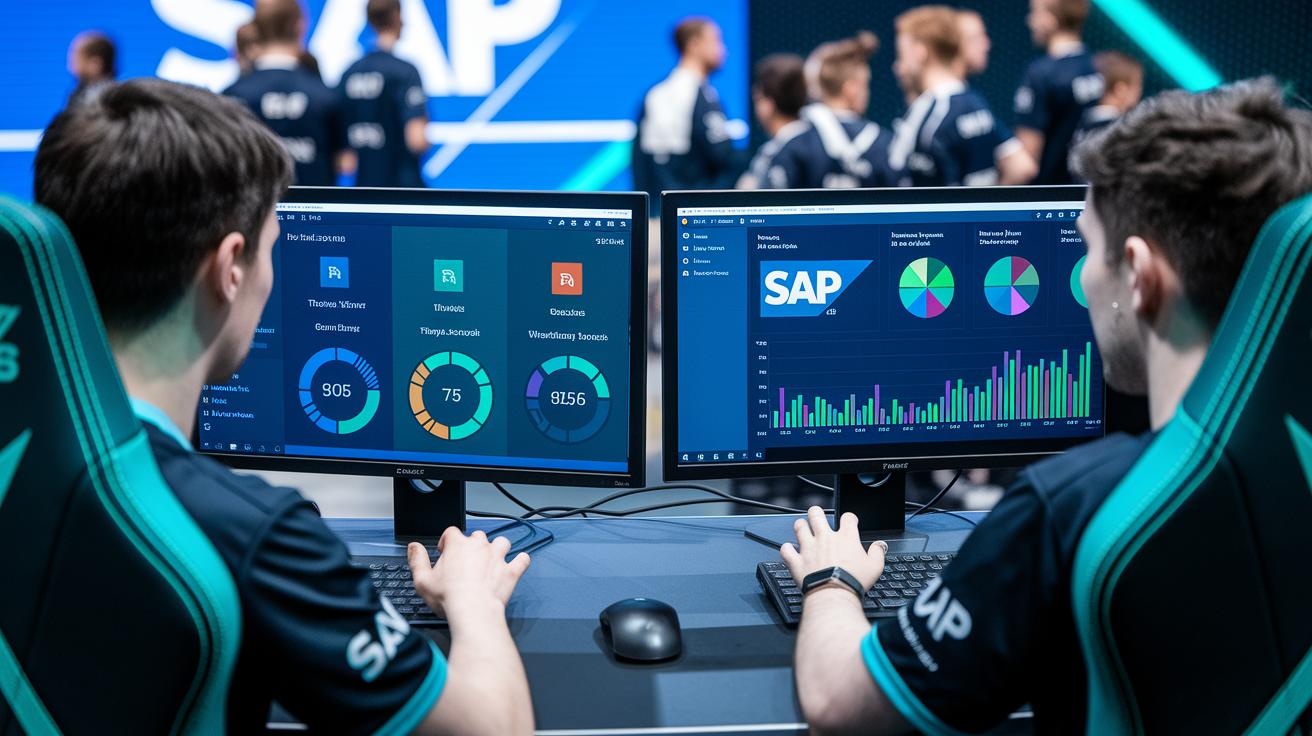
Elite teams know how to keep their cool and control the flow of the game. Every click and keystroke counts when the stakes are high. Take Team Liquid’s Dota 2 crew, for example. They used a detailed, data-driven style with SAP to pull off an epic move at The International 2017, a tournament where the prize pool topped $24 million. They kept the pace fast and acted on split-second decisions that flipped the match on its head.
Astralis is another team that really sets the bar for breaking down tough plays. Their analysts dig into game stats and tweak strategies in real time. Imagine the chaos when the enemy suddenly tries to flank, you need to switch gears fast. Even a tiny change in the opponent’s formation can be spotted and countered with the perfect sequence of moves.
The San Francisco Shock also proved their mettle in the Overwatch League under pressure. They focused on smart team setups and managed to win back-to-back titles in 2019 and 2020 by foreseeing and stopping high-pressure moments before they could take over.
Picture this: one player makes a lightning-fast decision that sparks a cascade of opportunities. In that split second, everything shifts, much like a perfect power play that brings controlled chaos to life.
Each of these examples shows how mixing smart analytics with real-time adjustments can keep the pressure on and lead to one win after another.
Unified Squad Planning for Dominant Esports Power Plays
In esports, winning is all about teamwork and being on the same page. Top teams spend time together off-screen with team-building activities and post-match chats so that everyone knows exactly what they need to do. They practice splitting roles and know when to hold a position or push the pressure at just the right moment. It’s a bit like having a secret playbook, imagine a coach who yells, "Activate flank mode now!" and everyone instantly clicks into action.
Before the match even kicks off, getting organized is key. Teams lay out clear roles during drills and practice sessions, making sure every call is heard loud and clear. Just think of a single cue that sends a flurry of moves like pieces sliding on a chess board during a clutch play. With smart planning and quick adjustments, even unexpected enemy tactics are met with fast role shifts, keeping the team one step ahead every time.
In-Match Decision Analysis for Esports Power Plays

When the game heats up, teams make snap decisions to turn the tide. They use smart software that checks enemy spots and play patterns, giving a heads-up when a flanking move might be coming. For example, an analyst might say, "That shift means the enemy is testing our defense," so players quickly adjust their positions.
Key parts of these moves are:
- Fast reactions to update team positions
- Clever plans to interrupt enemy rotations
- Ongoing live data that helps tweak tactics
Even when tournament rules limit data, practice drills ensure that players are always set for a quick counter-attack.
Momentum Regulation and Clutch Performance in Esports Power Plays
Esports teams rely on simple metrics like speed, accuracy, and smart decision-making when things get intense. They track things such as actions per minute, shot precision, and movement mapping to see what’s working and what needs a tweak. It’s all about setting the mood for steady control and keeping that gameplay edge.
When stakes are high, players must handle pressure without breaking a sweat. Top teams often mix in mental health practices, fitness routines, and chill-out methods away from the screen. This off-screen prep builds a strong mindset that helps them stay cool during those nail-biting matches.
A clear look at performance data lets teams understand where they shine and when a quick strategy change is needed. Players learn to turn stressful moments into wins by using smart decisions backed by data. A quick change in tactics can shift the flow of the game, and the right stress-management approach might just be the secret to victory.
All these methods help teams channel their focus to turn pressure into powerful plays. In those high-stakes moments, every millisecond matters as players use their quick reflexes and precise calls to outsmart their rivals.
Pre-Match Opponent Modeling for Esports Power Plays
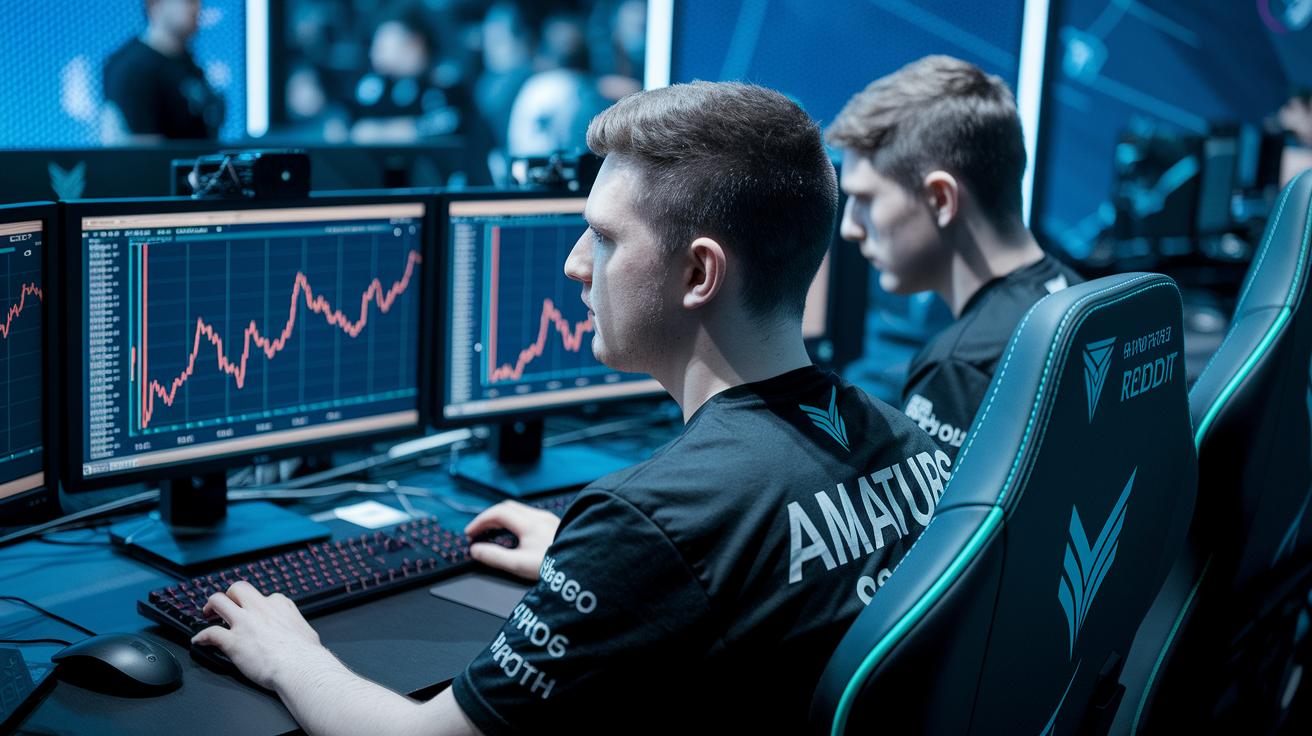
Teams kick off by profiling their opponents with smart software that tracks play patterns and predicts tactical shifts. Coaches dig into past match data and look at common plays so they can fine-tune their game plan. This hands-on approach lets them shape strategies that counter enemy moves effectively.
Before the match, analysts get busy using simple tools to study the opponent’s behavior. They turn this data into clear, step-by-step plans, considering patch adjustments and shifting meta trends along the way. It’s like having a game plan built from real-time insights and solid analysis.
Once the initial scouting is done, teams switch gears and focus on drafting their lineups. They use special tools like patch trackers and champion analytics, then rehearse strategies on custom scrimmage servers. This steady, structured process gives them a strategic edge long before the match starts.
| Stage | Focus Area | Tools/Methods |
|---|---|---|
| Scouting | Pattern Analysis | Game data APIs and heatmaps |
| Draft Planning | Composition Strategy | Patch trackers and champion analytics |
| Strategy Rehearsal | Execution Practice | Custom scrimmage servers and replay reviews |
Final Words
In the action, we broke down key elements, from core tactics and in-match decisions to squad planning and opponent scouting. We explored how cutting-edge data and real-time analysis fuel team coordination and performance in high-stakes moments. The post showed practical examples and offered clear steps toward smoother plays and heightened confidence. Embrace these insights to ramp up your esports power plays strategy, and enjoy watching your gameplay reach new heights. Keep pushing, stay sharp, and have fun in every game.
FAQ
Q: What are the core components of esports power plays strategy?
A: The core components of esports power plays strategy include player coordination, control over key game areas, and smart resource management. Teams also rely on real-time analytics and in-game data for precise strategic decisions.
Q: How does in-match decision analysis impact esports power plays?
A: In-match decision analysis impacts esports power plays by using immediate game data to counter opposing tactics. Teams track metrics like APM and decision-making under pressure to adjust strategies and maintain the upper hand.
Q: How does unified squad planning improve esports power plays?
A: Unified squad planning improves esports power plays by clearly assigning roles, streamlining communication, and allowing teammates to quickly adapt their strategy. This coordinated effort fosters improved teamwork and successful in-game maneuvers.
Q: How are momentum regulation and clutch performance managed in esports power plays?
A: Momentum regulation and clutch performance in esports power plays are managed by monitoring performance metrics and stress-control techniques. This approach helps teams remain focused under pressure and deliver decisive moves when the stakes are high.
Q: What role does pre-match opponent modeling play in esports power plays?
A: Pre-match opponent modeling plays a key role by using software to predict rival playstyles and tactics. This data-driven method informs team compositions and strategy rehearsals, giving teams a clear advantage before matches start.