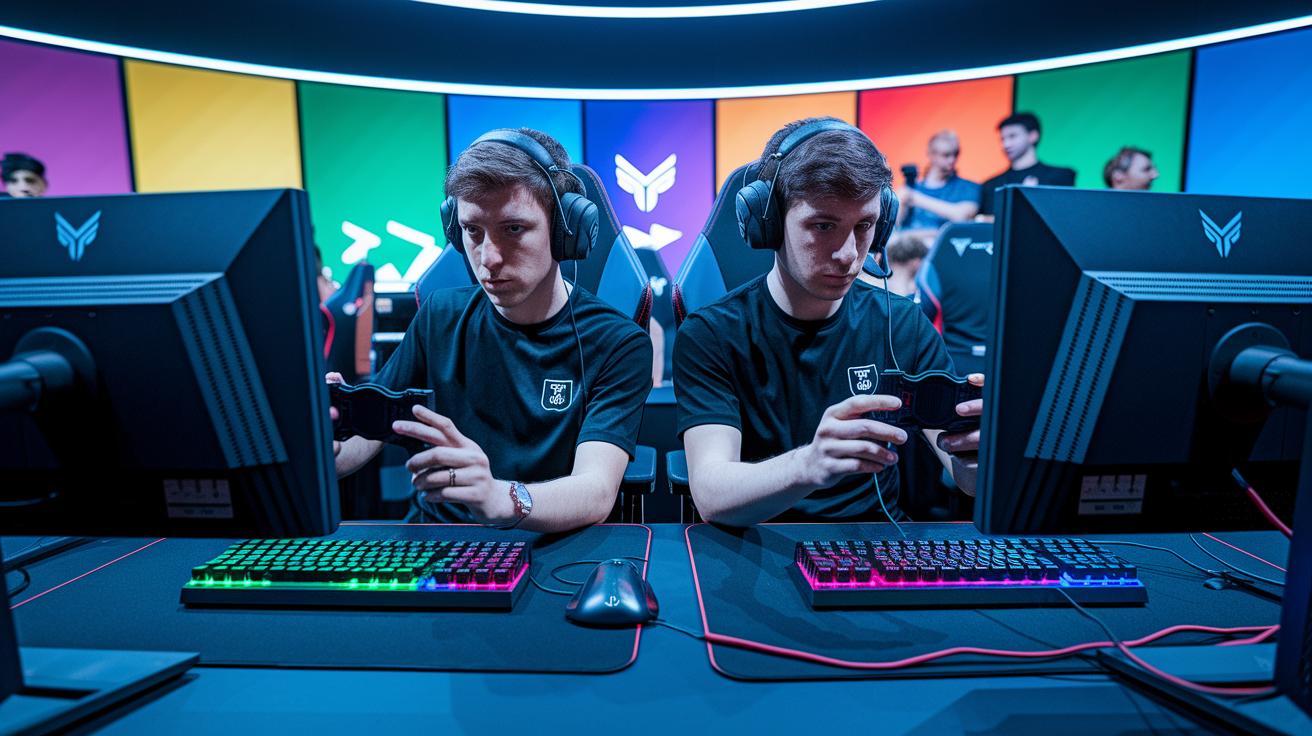
Ever wonder why every game feels so thrilling? It's all about the tech working behind the scenes. Today's gaming is powered by cool hardware, super-fast networks, smooth streaming, and smart software that mix perfectly to create epic moments.
Billions of gamers tune in and tournaments are booming. This deep dive shows how these four key parts team up to take gaming to a whole new level. So, grab your controller, and let's explore how modern platforms drive those unforgettable plays and non-stop action that keep us coming back for more.
Comprehensive esports tech deep dive: Core technology overview
Esports tech comes down to four main parts that keep our games fast and fun. First, you've got the gear and machines that power our battles. Then there are the networks that keep everyone in sync, followed by the streaming systems that bring the action live, and finally, the software that pulls it all together. Think of it like this: next-gen hardware, high-speed networks, streaming setups, and smart software all team up for the ultimate gaming experience.
The world of esports is huge. In 2023, it hit a $1.38 billion valuation, and there are about 3.2 billion gamers worldwide. From game creators to pro teams and both LAN and online tournaments, a big crew is behind every match. This massive network is changing how fans watch their favorite games. Instead of sitting back and watching a normal broadcast, you get into fully immersive, virtual experiences that feel as intense as being at a live event.
At its core, the tech behind esports is the engine that drives rapid growth and new play styles. With cutting-edge hardware and speedy networks, those epic gaming moments happen almost instantly, giving players the edge and making watching more thrilling than ever. Plus, slick streaming setups and clever software integrations crank up the interactivity and real-time stats sharing that keep the excitement alive. Every new tech breakthrough just deepens that connection between gamers around the world and the heart-pounding events they love.
esports tech deep dive hardware trends and next-gen gaming platforms
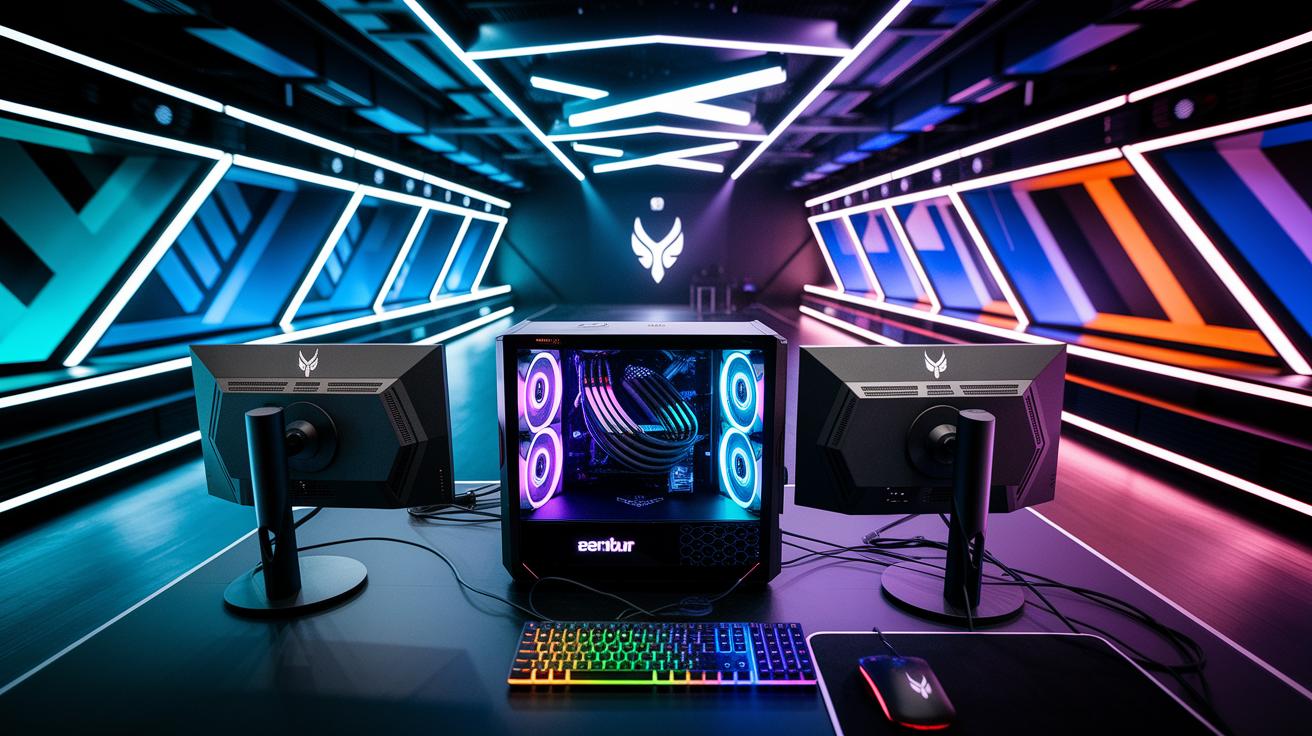
Modern gaming arenas run on killer hardware that boosts every high-stake moment. At London’s New Meta Gaming Arena, top-of-the-line PCs and consoles light up both private sessions and streaming rooms, giving players that elite gaming vibe. Imagine a rig built with premium GPUs and CPUs, backed by the best chipsets available. It’s like having a liquid-cooling system that keeps every frame silky smooth, turning raw power into flawless gameplay.
Custom-built rigs have totally changed the game. Gamers are now mixing liquid-cooling with smart airflow designs to keep everything stable during those intense battles. They’re also using power-saving tricks that cut down on wasted energy while keeping performance sky-high. You can find tons of tips out there that show you how to blend speed, toughness, and quiet operation, ensuring nothing breaks your focus when you’re chasing victory.
On top of that, new changes to peripherals are making a big impact. Pro players want gear that feels great and gives them full control without wearing them out. So, manufacturers are rolling out innovative tools that strike the right balance between comfort and quick response. These clever devices help gamers stay locked in, boosting precision during every clutch moment.
esports tech deep dive streaming and broadcast evolution
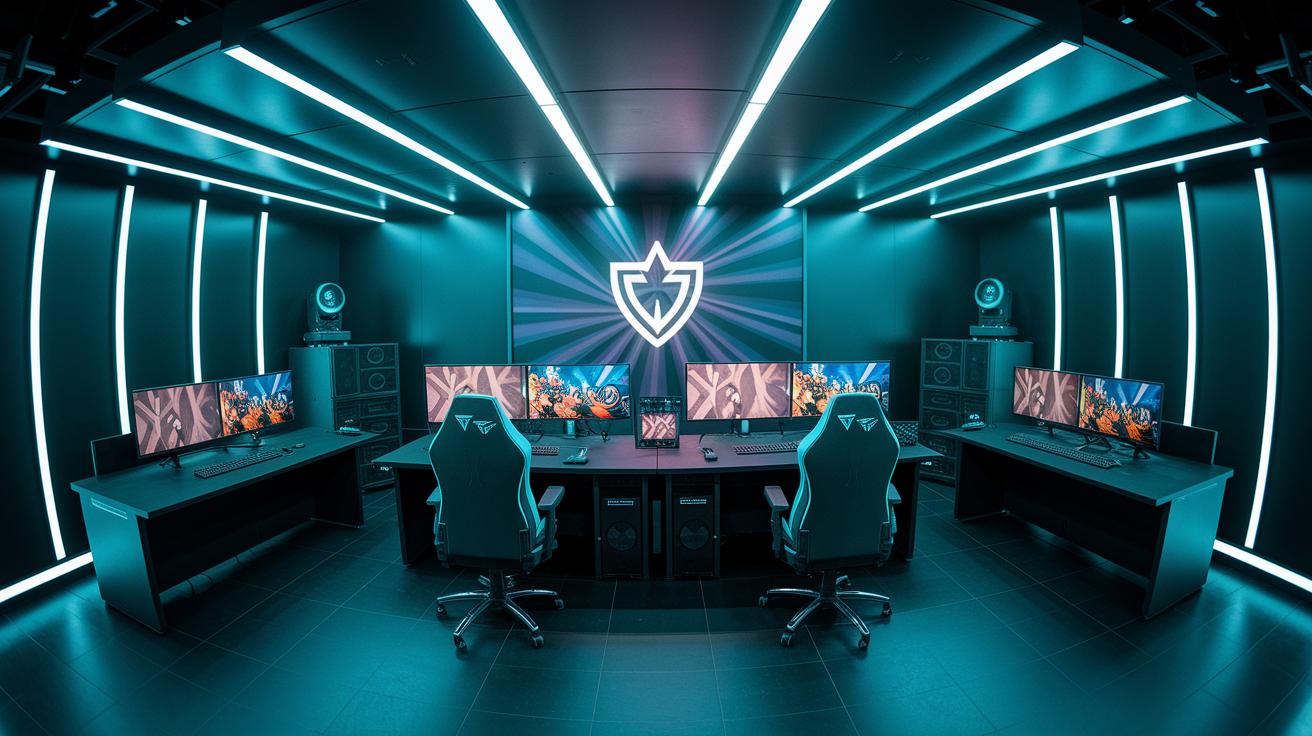
Streaming in esports has come a long way from those simple one-way video feeds. Today, venues have special streaming rooms and hangout spots where fans can really get into the action. It feels a bit like stepping from an old radio show into a bright, interactive TV experience. You can watch from different angles and see cool overlays in real time. It’s almost like you’re part of the match, not just a bystander.
Now, a big part of this upgrade is using global streaming and cloud computing in gaming. With old static feeds making way for interactive ones, the tech behind it supports large audiences all around the world. You can easily switch between playing on your desktop, console, or mobile. It’s all built to keep you in the game, no matter how or where you’re watching.
| Stage | Key Technology | Audience Impact |
|---|---|---|
| LAN casts | Multi-angle camera systems | Increased viewership |
| Traditional streaming | Real-time overlays | Improved fan engagement |
| One-way feeds | Interactive broadcast solutions | Global participation |
| Legacy set-ups | Cloud stream integration | Scalable reach |
The move to multi-platform setups and cloud integration makes everything smoother. These tools manage the load whether viewers are tuning in from a local setup or from around the world. In the end, this tech gives us an experience that feels both immersive and live, keeping the pulse of competitive esports strong and steady.
esports tech deep dive network architecture and latency optimization
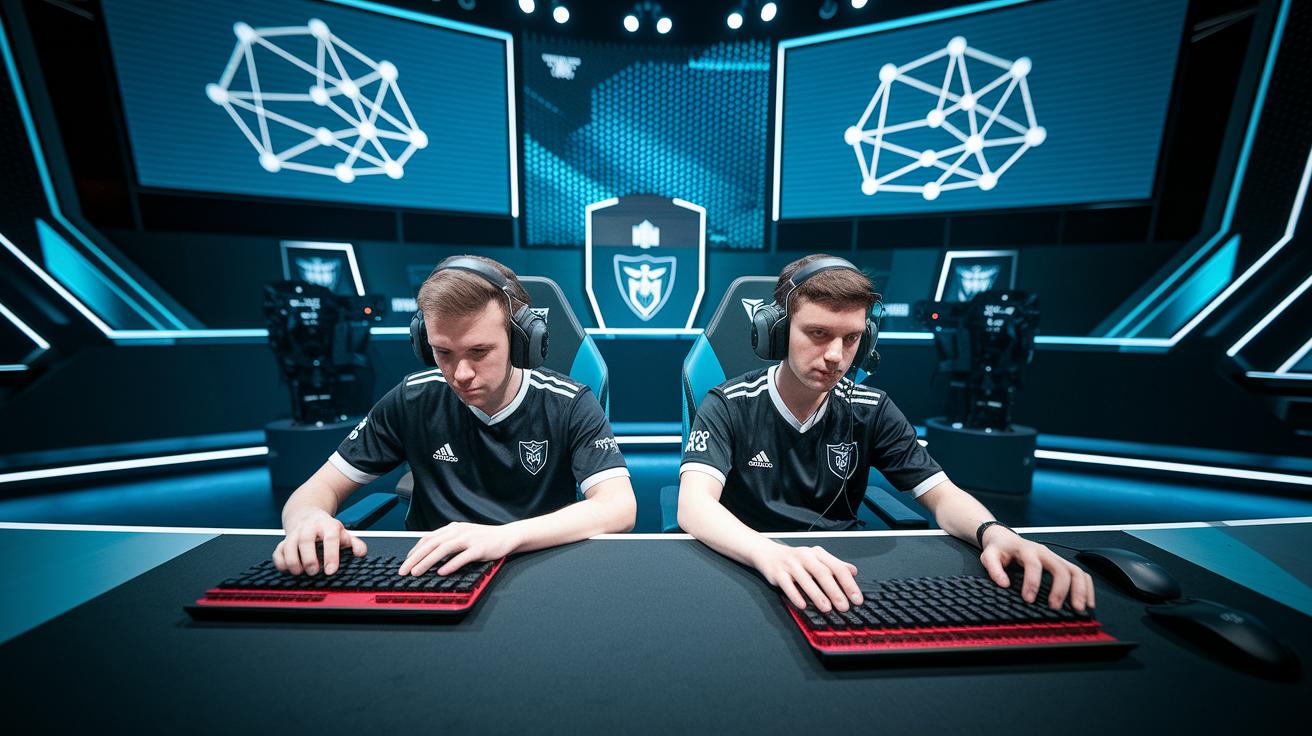
High-speed gaming networks have evolved a lot. We used to rely on basic LAN setups, but now we have smart cloud systems. LAN still matters, they help keep tournaments fair and smooth when the action heats up. At the same time, cloud networks give us the power to run massive events with thousands of players. It's all about balancing reliable connections with big, flexible reach.
Latency optimization is a hot topic these days. Thanks to 5G and edge computing, delays in remote matches have dipped by around 20 to 30 milliseconds. These tech upgrades bring processing steps closer to players, which means faster reactions during those high-stress moments. Every millisecond counts, and early tests show gamers are experiencing a quicker, more responsive play.
Scalable network setups are also key for global esports events. By splitting networks into smaller, manageable pieces with cloud-based systems, tech teams can easily handle sudden heavy loads. This smart design lets organizers run more matches at the same time, so fans everywhere get to enjoy smooth gameplay without the worry of lag.
esports tech deep dive data-driven performance and analytics
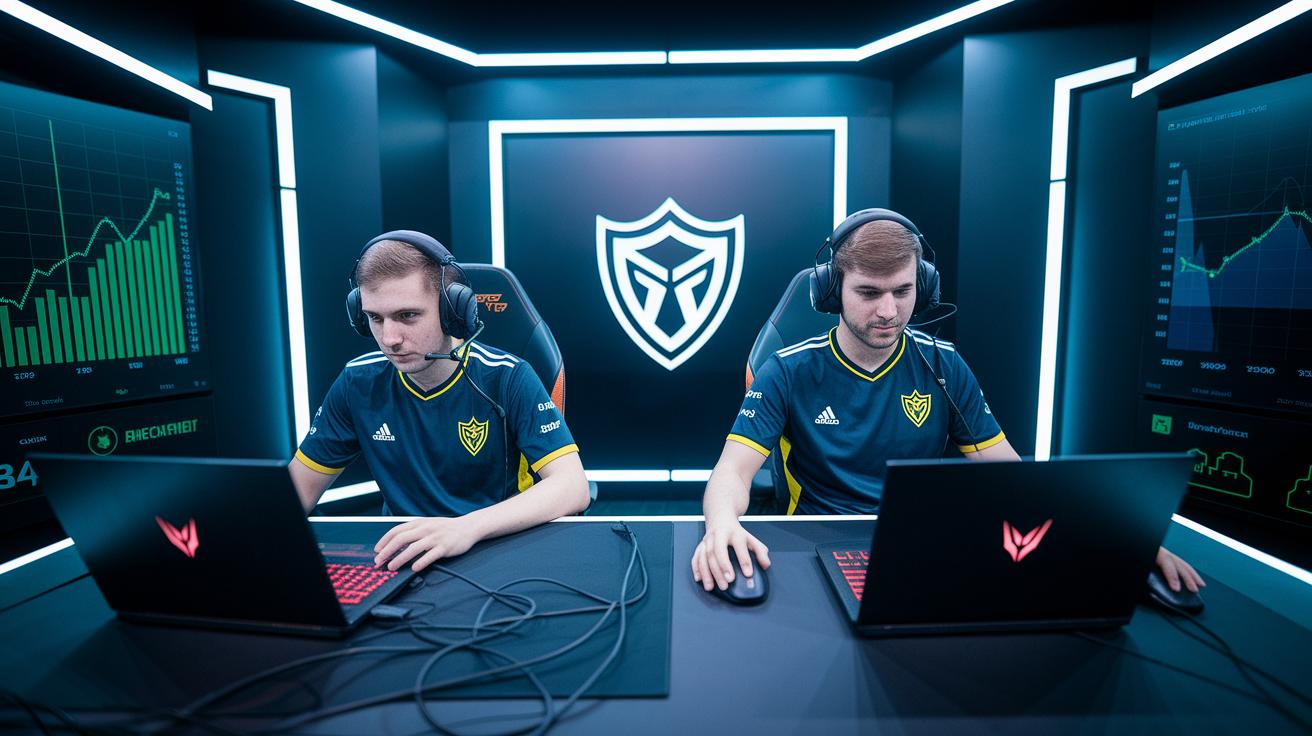
Esports camps and academies are now using data skills to boost player performance. Training sessions record every move with clever analytics tools. These tools measure things like how fast you react, your shooting accuracy, and how long you take to decide your next move. Imagine every key press and mouse click is logged to create a detailed picture of your gameplay.
Advanced tools, powered by machine learning, break down game data into simple stats that anyone can quickly understand. It almost feels like having your own coach watching every move you make. Players begin to see that quicker reflexes lead to better plays, and coaches can spot those tiny delays that might cost a match in seconds.
Analytics is also key when planning strategies. Team strategists and broadcast pros use these stats to polish their game plans and spice up live commentary. In practice, coaches adjust training sessions based on these numbers while broadcasters share real-time stats to pull in the crowd. This smart use of data makes strategies sharper, training more focused, and the game even more thrilling.
esports tech deep dive immersive viewer experiences
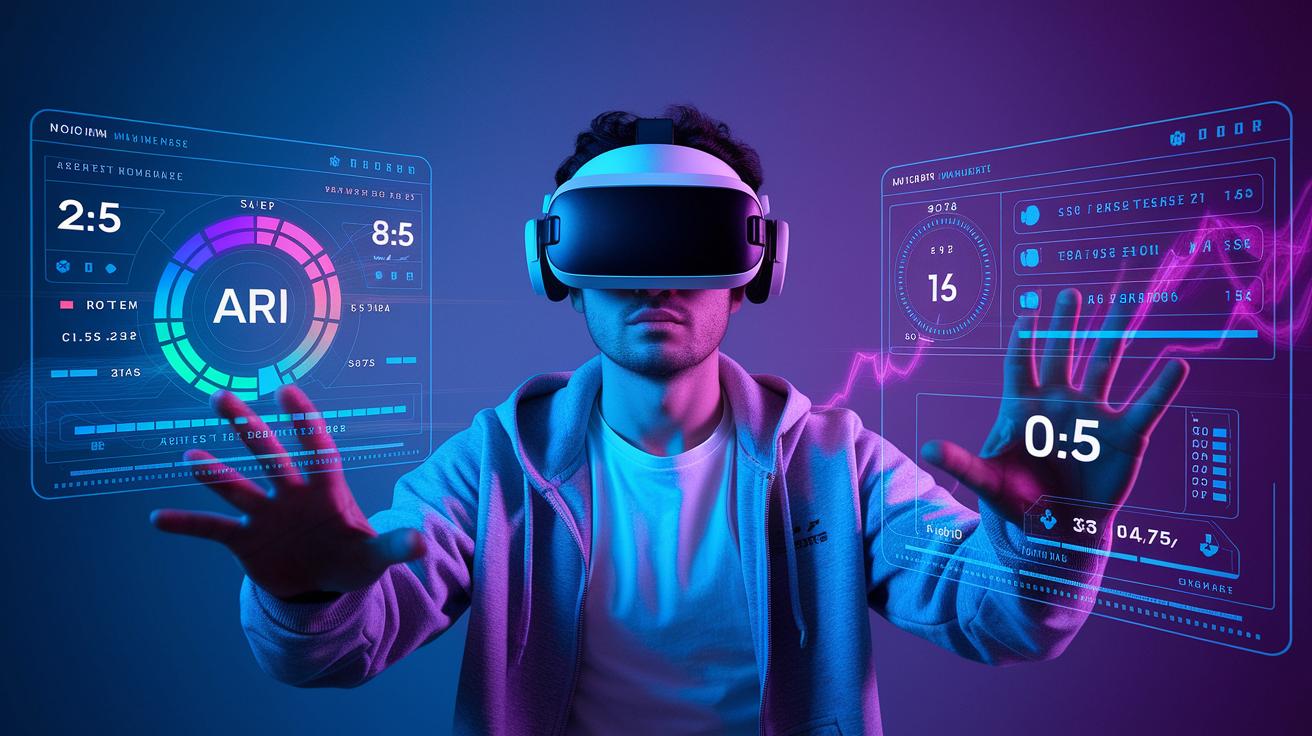
Immersive tech is totally changing how we watch esports. With virtual reality, it almost feels like you’re right there in the arena, sitting courtside with the stars. And now, augmented reality brings live stats, heat maps, and even player point-of-view feeds that bring every play so much closer to you. It’s like watching a game has turned into a hands-on, buzzing experience where you can really dive in.
Digital engagement is stepping up its game too. Interactive tools now make sure you’re part of the action from start to finish, so sitting back and just watching isn’t the only option anymore.
- AR stat overlays
- VR arenas
- 360° replays
- Live polling
- In-stream chat widgets
New AR and VR tech is opening up cool ways to connect with every match. Imagine being able to check out a game from different angles and get real-time updates that make each play feel personal. This ever-evolving tech shows that when esports ups its interactivity, fans like you can be even more hooked on the game.
esports tech deep dive emerging software integrations
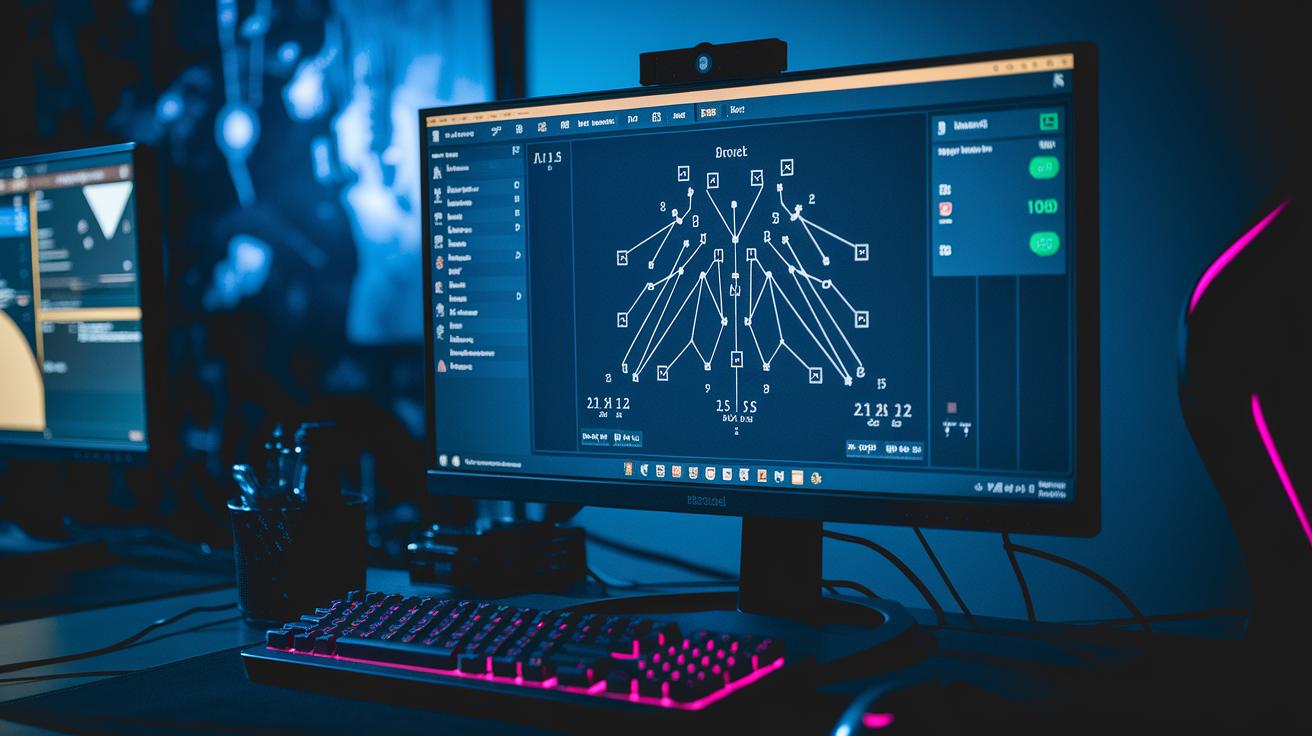
New software is changing the game for esports teams. It all blends live stats, scheduling, and practice drills into one smart tool. These platforms help teams keep everything on track during every match while reducing the hassle of juggling multiple apps.
AI-Driven Strategy Engines
Today, AI works like a live coach. It checks match stats in real time and tosses out smart tips that can flip the game in your favor. Imagine having a digital buddy who spots enemy moves and tells you just when to strike – it's like having a secret weapon on call.
Advanced Simulation Software
Ever wish your practice felt as real as the tournament? That's where simulation tools come in. They recreate game physics and map layouts so perfectly that every drill mimics a true match. It’s like stepping into a game mode that trains you for every twist and turn.
Integrated Tech Frameworks
Finally, unified platforms mix together live analytics, practice scheduling, performance logs, and broadcast controls into one handy dashboard. This one-stop hub makes event production smoother and ensures every detail is tuned up for top performance.
esports tech deep dive future trends and infrastructure scalability
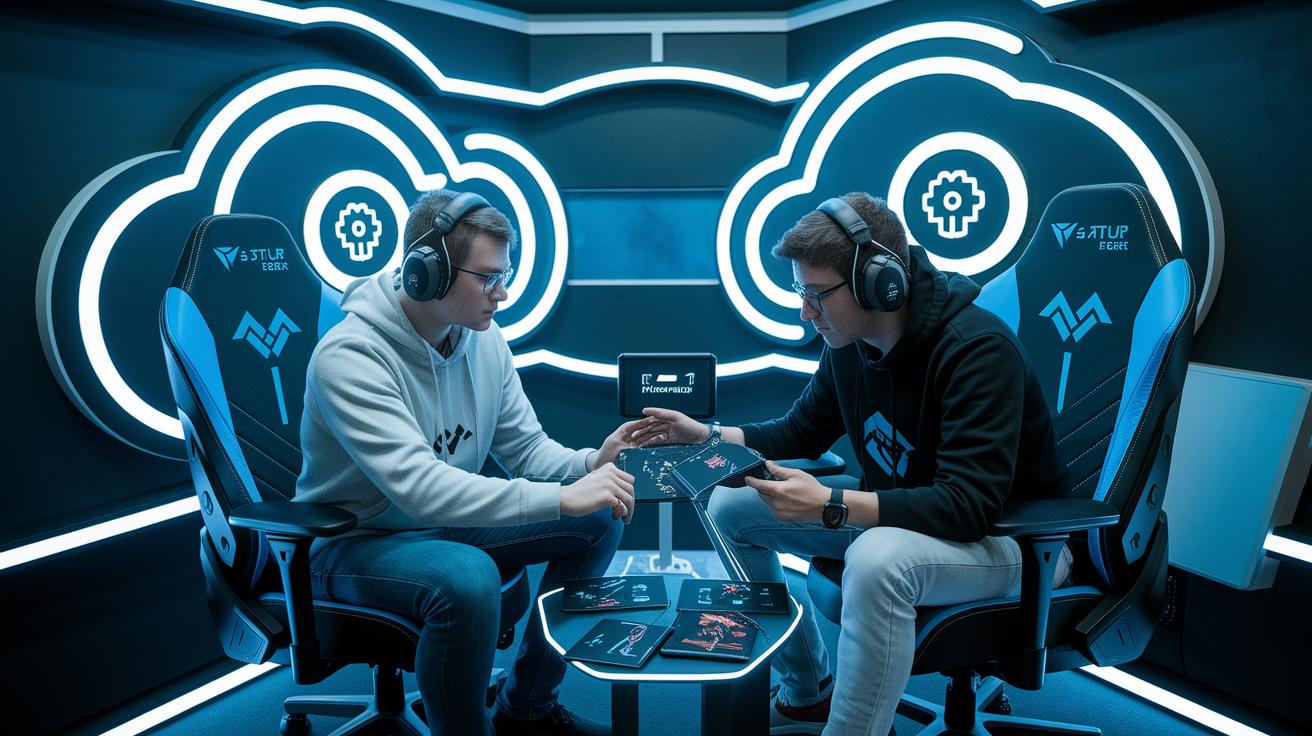
Cloud computing is about to change competitive gaming big time. Experts predict that by 2025, nearly 30% of major tournaments will run on cloud platforms, which means players can tap into flexible, easy-to-use resources whenever they need them. And you know what? Edge computing is on the rise too, cutting server response times almost in half. This boost can mean the difference between a win and a loss during those tight matches, plus it paves the way for super quick game updates and live interactions with fans.
New gaming controllers and modular hardware upgrades are also stirring things up in esports. Developers are experimenting with fresh input devices that let gamers enjoy faster and more natural control. This shift is not only reshaping tournament formats but also helping creators tweak interfaces on the fly. And because modular hardware makes it simple to swap out parts when trends change, players can always keep their setups current without a hassle.
Building out a stronger network infrastructure is key for esports to grow globally. New designs are coming online that can handle a huge number of players playing at once. Forecasts suggest that as systems become more connected, we'll see smoother matchmaking and real-time data sharing across the board. This scalable network is set to support rapid growth and win over an even more engaged audience, driving competitive gaming into an exciting new era where nothing can hold it back.
Final Words
in the action, we broke down the core tech powering esports, from next-gen hardware and high-speed networks to data-driven insights and immersive streaming. Each segment uncovered how advanced tech and smart software integrations are shaping competitive play and viewer experiences.
This esports tech deep dive offers clear strategies to boost your in-game performance and streaming quality. With each element coming together, the path ahead feels exciting. Level up your game, share these insights with your crew, and get ready for more electrifying matches ahead.
FAQ
What core technology pillars drive esports tech deep dives?
The core technology pillars in esports tech deep dives include next-gen hardware, high-speed networks, streaming setups, and software integrations that support large-scale tournaments and immersive viewer experiences.
How do next-gen gaming hardware trends influence esports performance?
Next-gen gaming hardware trends influence esports performance by incorporating high-performance components, efficient cooling, and ergonomic peripherals that let players excel during intense competitive matches.
What changes have occurred in esports streaming and broadcast evolution?
The shift in esports streaming involves moving from simple video feeds to interactive feeds with live overlays and multi-platform access, deepening fan engagement and expanding audience reach.
How does network architecture and latency optimization affect esports competitions?
Network architecture and latency optimization affect esports competitions by reducing lag through high-speed LAN systems and early 5G trials, keeping gameplay smooth and competition fair.
How does real-time data analytics improve player performance in esports?
Real-time data analytics boost player performance by tracking metrics like reaction time and accuracy, which help coaches and teams make informed adjustments to gameplay strategies.
What immersive viewer experiences do modern esports platforms offer?
Modern esports platforms offer immersive viewer experiences with features like AR overlays, VR spectator modes, 360° replays, live polling, and in-stream chat that bring fans closer to the action.
How do emerging software integrations benefit esports competitions?
Emerging software integrations benefit esports competitions by utilizing AI strategy engines, advanced simulation tools, and unified platforms that streamline scheduling, analytics, and live production.
What future trends will influence the scalability of esports infrastructures?
Future trends such as cloud computing, edge technology advancements, and innovative input devices will influence esports infrastructures, enabling scalable global events and faster server responses.